Christianity’s True Origins: From the Middle East and Africa, Not Europe
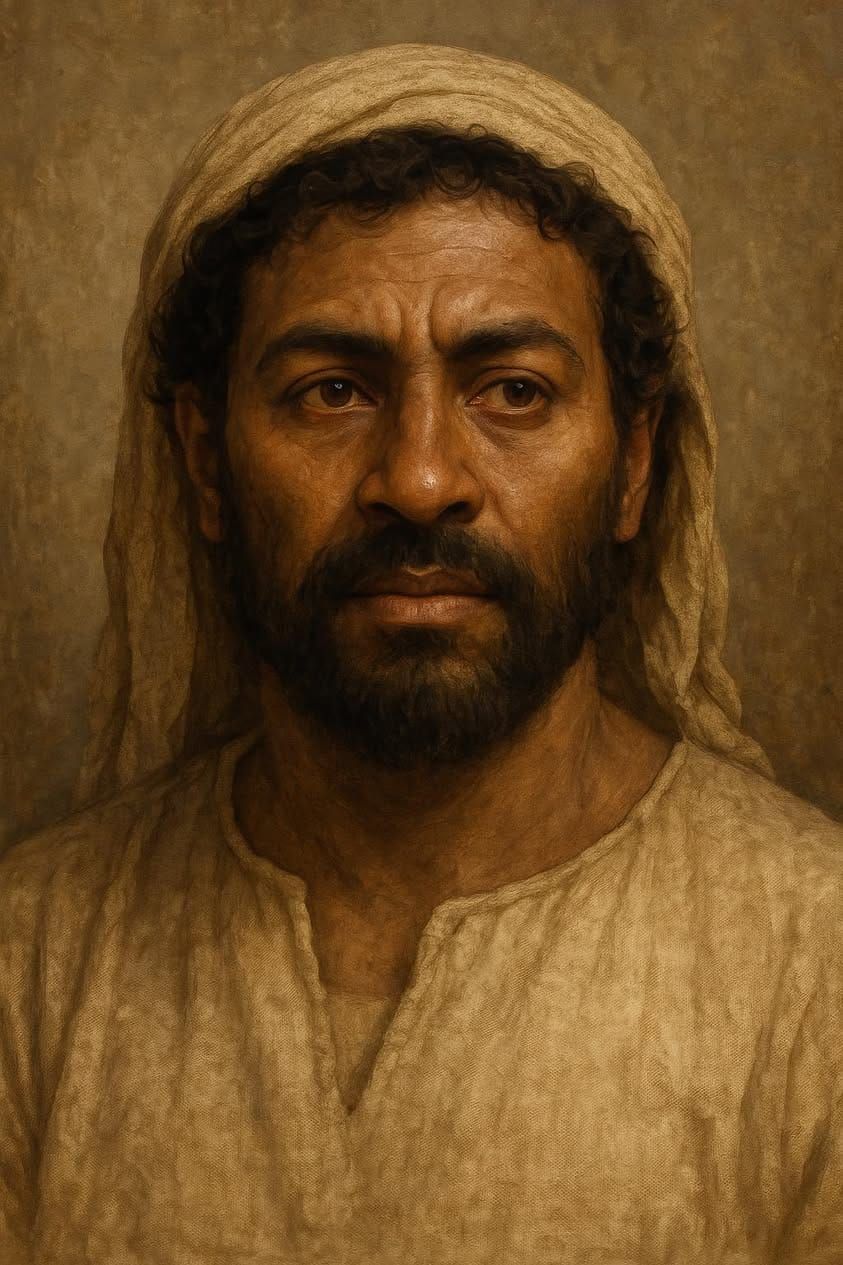
Christianity didn’t begin in Europe — it began in the Middle East, in the dusty towns of Judea and Galilee, among Jewish fishermen, farmers, and prophets who spoke Aramaic, prayed in Hebrew, and lived under Roman occupation. Its founder, Jesus of Nazareth, was not a European philosopher or monarch, but a brown-skinned, Semitic man who walked barefoot among the poor and preached a message of compassion, humility, and radical inclusion. From the very beginning, Christianity was a faith of the oppressed, not the oppressors — a belief system that transcended borders, languages, and empires long before it was ever claimed by one.
Long before Rome ever declared itself Christian, Africa had already embraced the gospel. Ethiopia, home to one of the most ancient civilizations on Earth, was among the first nations to adopt Christianity as a state religion — nearly a thousand years before Europe’s colonial ambitions took root. Under King Ezana of Aksum in the 4th century, the Ethiopian Orthodox Tewahedo Church became a center of spiritual life, theological scholarship, and scriptural preservation. While much of Europe was still governed by pagan empires, Ethiopian scholars were translating and preserving the sacred texts of Christianity into Geʽez, an ancient Semitic language still used in Ethiopian liturgy today.
The Ethiopian Orthodox canon is not only older than the European Bible but also more complete. It includes books like Enoch, Jubilees, and the Ascension of Isaiah — texts that bridge early Jewish mysticism with the teachings of the first Christians. These writings offer profound insight into the ancient worldviews that shaped Jesus’ life and message, yet many of them were later removed from the Western canon when European leaders sought to centralize religious authority in Rome. The Garima Gospels, handwritten by Ethiopian monks as early as the 5th century, are masterpieces of faith and artistry — richly illuminated manuscripts that predate the Book of Kells and any surviving European Gospel. Their survival is not just a testament to devotion but also to Africa’s foundational role in the preservation and transmission of Christian knowledge.
For centuries, the cradle of Christianity extended across Africa and the Middle East — from Egypt, where early theologians like Athanasius and Origen helped define the core doctrines of the faith, to North Africa, where Saint Augustine of Hippo laid the philosophical groundwork that would shape both Catholicism and Protestantism. These thinkers were African, and their ideas built the intellectual scaffolding of Western Christianity. When Europeans later colonized Africa, they didn’t bring Christianity with them — they rediscovered it, though too often through the lens of domination rather than reverence.
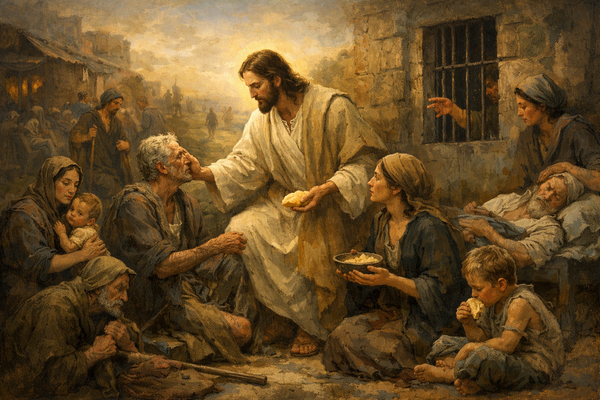
Yet as Christianity became entangled with empire, its image began to change. The earliest icons from Egypt, Nubia, and the Levant depict Christ as a dark-skinned man — a Semitic figure consistent with his geography and heritage. But as political power shifted to Rome and later to the European monarchies, the image of Jesus was transformed. By the time of the Renaissance, artists like Leonardo da Vinci and Michelangelo had painted a pale, blue-eyed Jesus — a depiction that reflected not historical accuracy but imperial aspiration. These European portrayals of Christ weren’t innocent artistic choices; they were acts of ideological power, transforming a humble Middle Eastern Jew into a divine emblem of whiteness. This “white Jesus” became a tool to sanctify empire, conquest, and slavery, allowing colonizers to claim moral authority even as they subjugated entire peoples.
Through this transformation, Christianity’s original essence — one of radical empathy and equality — was gradually replaced by a theology of hierarchy and control. The gospel that once said, “Blessed are the meek,” was co-opted to bless kings and conquerors. The message that once commanded love for one’s neighbor was rewritten to justify domination over others. In turning Jesus from a brown-skinned rabbi into a white European god-king, the West didn’t just change a face — it changed a faith.
This distortion continues today in the rise of white Christian nationalism — a movement that cloaks political extremism in the language of piety. It claims to defend Christianity but, in truth, desecrates it. It replaces Christ’s message of humility and inclusion with fear, resentment, and exclusion. It preaches supremacy where Jesus preached service. It waves the cross not as a symbol of sacrifice but as a weapon of control. This is not Christianity — it is idolatry, the worship of nation and race in place of God.
True Christianity is not found in the halls of power or the rhetoric of exclusion; it lives in the acts of mercy and justice that Jesus himself embodied. It lives in the Ethiopian monks who, centuries ago, preserved the earliest gospels by candlelight. It lives in the African and Middle Eastern communities who kept faith alive under persecution and empire. It lives in the words of Christ himself: “Whatever you did for one of the least of these brothers and sisters of mine, you did for me.”
The truth is simple yet profound: there is nothing “white” about Christianity. It was born in the deserts of the Middle East, nurtured in the mountains of Ethiopia, and carried forward by Africans, Jews, and Semitic peoples long before Europe understood it. To recognize this is not to diminish Christianity — it is to restore it. It reminds us that faith was never meant to divide humanity into chosen and unchosen, superior and inferior, but to unite us in love.
The Ethiopian Bible, older than any European translation, stands as a quiet, enduring rebuke to the lies of white supremacy and Christian nationalism. It is a reminder that the gospel began not in empire, but in empathy; not in conquest, but in compassion. Christianity’s true power was never in its ability to dominate — it was, and always will be, in its capacity to heal.
Real Christianity doesn’t build walls; it opens doors. It doesn’t elevate one race or nation; it reminds us that every person, regardless of color or creed, is made in the image of God. When we return to that truth — the truth carried in brown hands and spoken in Aramaic — we reclaim not just history, but the heart of the faith itself.