“Just Come Here Legally”: How America Broke It’s Own Immigration System

When Americans turned on their televisions in the early 1990s, one issue was impossible to miss: immigration. Talk shows, news anchors, and political ads warned that “the federal government won’t stop them at the border,” that taxpayers were spending billions to support them, and that the nation was being “invaded.” The message was everywhere: There’s a right way, and there’s a wrong way. At the time, around five million undocumented immigrants lived in the United States, and most Americans viewed them as a burden—taking jobs, straining schools, and using public resources. Republicans seized the issue, campaigning on a tough-on-immigration platform that helped them take control of Congress in 1994. Democrats, sensing the political winds, moved to the right as well. As President Bill Clinton famously declared, “We are a nation of immigrants. But we are also a nation of laws.”
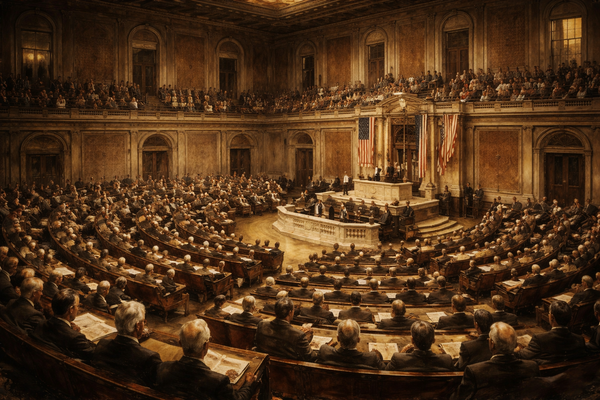
In 1996, that sentiment became law. The Illegal Immigration Reform and Immigrant Responsibility Act, known as IIRIRA, was passed with bipartisan support and signed by Clinton as a supposed solution to illegal immigration. It promised to “restore order” at the border and encourage people to come to the United States “the right way.” But in practice, it did the opposite. The law didn’t reduce illegal immigration—it made it far more permanent. It destroyed many of the legal channels through which undocumented immigrants could become lawful residents, expanded the scope of deportation to include minor offenses, and created a framework of punishment so severe that millions became trapped in the shadows with no path forward.
Before IIRIRA, immigration looked very different. For decades, many undocumented immigrants came to the United States temporarily, especially from Mexico, to work in agriculture and construction. They would cross north for the harvest, send money home, and then return when the season ended. Deportations were rare and usually limited to major crimes like murder or drug trafficking. If someone wanted to stay permanently, there were several possible routes to legalization: marriage to a U.S. citizen, sponsorship from a family member, or an employer’s petition. Judges could also use discretion to consider whether deportation would cause undue hardship for U.S. citizen children or spouses. It was an imperfect system, but it recognized that immigration was not simply a crime—it was a human reality.
IIRIRA changed that overnight. It drastically expanded the list of deportable crimes to include minor infractions such as shoplifting, and made those rules retroactive. That meant someone who had committed a petty theft decades earlier, even as a legal permanent resident, could now be deported. Judges lost much of their ability to weigh compassion or context, and deportation became a near-automatic process. The law also introduced what became its most devastating legacy: the so-called “three- and ten-year bars.” These rules stated that anyone who had lived in the United States without papers for six months or more would be barred from reentry for three years if they left the country. If they had been undocumented for more than a year, they faced a ten-year ban.
The effect was cruel and paradoxical. Imagine a woman who had been living in the United States for years, married to a U.S. citizen, with American-born children. Before 1996, she could apply to legalize her status without leaving the country. After IIRIRA, she was forced to return to her country of origin for ten years before being allowed to reapply for a visa. The law that was supposed to encourage people to “come legally” instead locked them out entirely. Families were faced with impossible choices—separation or illegality. It was family separation by another name.
The intended deterrent effect never materialized. Before IIRIRA, about half of Mexican migrants who came to the U.S. without authorization returned home within a year. After the law, many decided to stay permanently rather than risk being unable to come back. The undocumented population, which stood at around five million in 1996, has since more than doubled. The United States, in effect, built a system that punished people for leaving but gave them no way to stay legally—a self-made immigration trap.
IIRIRA also laid the foundation for America’s modern deportation machinery. It allowed for expedited removals, expanded detention, and encouraged cooperation between local police and federal immigration authorities. After the September 11 attacks, those powers ballooned under the guise of national security, turning what had once been a seasonal migration system into a vast enforcement regime. Deportations skyrocketed, peaking at hundreds of thousands per year, ensnaring parents, workers, and even legal residents who had committed minor offenses decades earlier.
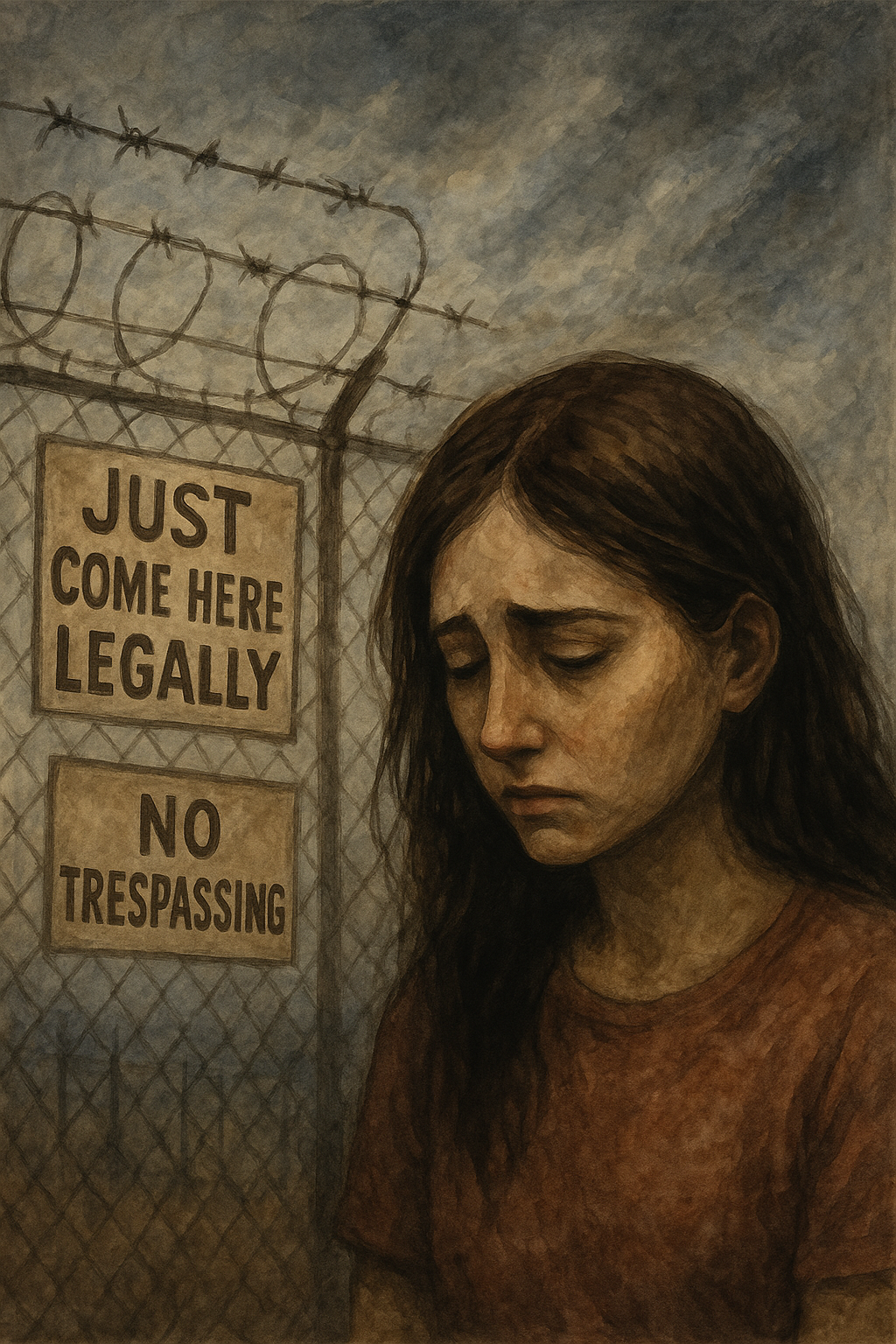
Today, public attitudes toward immigrants have changed dramatically. Polls show that most Americans now view immigration as a national strength rather than a burden. Immigrants are recognized as vital to the economy, essential to agriculture, healthcare, and innovation. Yet the laws themselves remain frozen in time, relics of a punitive 1990s mindset that still shapes the political rhetoric of “just come here legally.” Those words ring hollow when the legal pathways are blocked, the wait times stretch decades, and the rules make it impossible for families to reunite without exile.
The story of IIRIRA reveals a hard truth: enforcement does not equal control. America’s obsession with deterrence—walls, raids, bans—has never addressed the deeper reasons people migrate: violence, poverty, and the pull of family and opportunity. Instead, laws like IIRIRA hardened the system against compassion and common sense. They transformed what was once a temporary labor flow into a permanent undocumented population.
When Americans say “just come here legally,” they are invoking a myth of simplicity that no longer exists. The door was not merely closed—it was welded shut in 1996. The lesson of IIRIRA is not that America failed to be tough enough, but that it confused cruelty for policy. Until that changes, the United States will remain a nation both of immigrants and of contradictions—demanding that people follow a path that it long ago destroyed.