Minting a Cult of Personality
In 1866, the United States quietly passed a law forbidding the likeness of any living person from appearing on its currency. It wasn’t a symbolic gesture or an act of aesthetic preference — it was born out of scandal and outrage. A bureaucrat named Spencer M. Clark, then the head of the National Currency Bureau, had his own face printed on the five-cent note. It was a small act of vanity, but Congress saw something much larger: the seeds of authoritarianism. Lawmakers feared that if government officials could place their own image on the nation’s money, it would mark the beginning of a dangerous shift — from a republic of citizens to a cult of personality. Within weeks, they banned the practice.
That law still stands today. No living American, not even a president, can legally appear on U.S. currency. It’s not just a rule of design — it’s a safeguard of democracy. The message behind it is simple but profound: in a free nation, the state does not revolve around the image of a single person. The republic belongs to its people, not to the ego of its leaders.
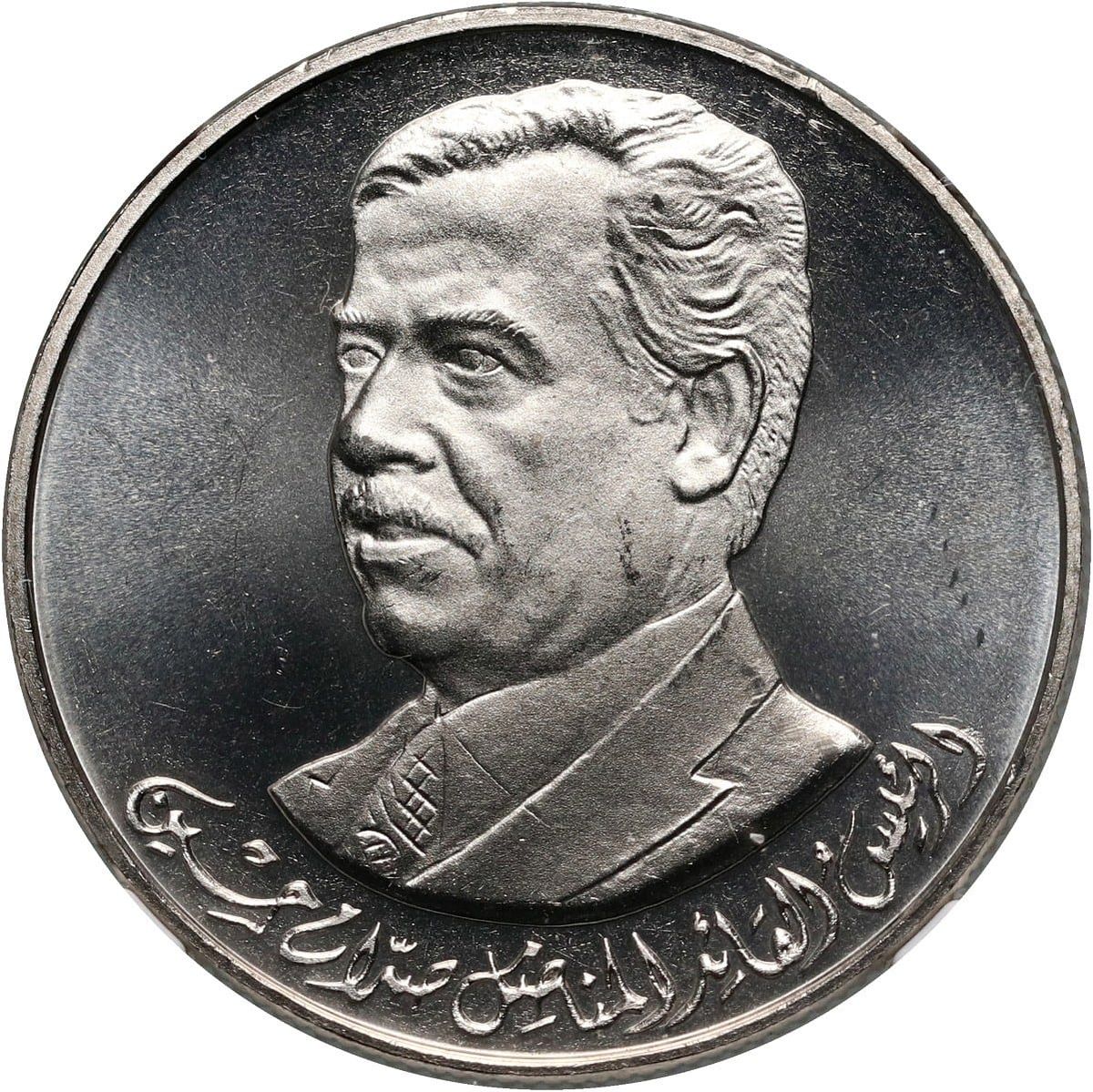
History shows us what happens when that principle collapses. Around the world, dictators have used currency as propaganda — a daily, inescapable reminder of who holds power. Saddam Hussein’s face dominated every Iraqi dinar, watching citizens from their own paychecks. Muammar Gaddafi’s image was printed across Libyan notes, merging his identity with the state itself. Idi Amin’s grin was stamped on Ugandan shillings; Francisco Franco’s profile on Spanish pesetas; Mao Zedong’s portrait still looms over every Chinese yuan; and Kim Il-Sung’s likeness remains engraved on North Korea’s money as if it were holy scripture.
In authoritarian regimes, money isn’t merely a medium of exchange — it becomes a tool of indoctrination. It tells every citizen, every day, that their lives and livelihoods are tied to one man’s image. It blurs the line between patriotism and submission, between citizenship and servitude. The dictator becomes the brand, the nation becomes the product, and the people become the consumers of their own obedience.
That’s why the 1866 law wasn’t just about vanity — it was about vigilance. The men who wrote it understood something that too many democracies forget: authoritarianism rarely arrives through a coup. It seeps in slowly, through symbols, gestures, and traditions that begin to center power around a single person. Once a society starts replacing its shared history with the image of one man, democracy starts to fade from memory.
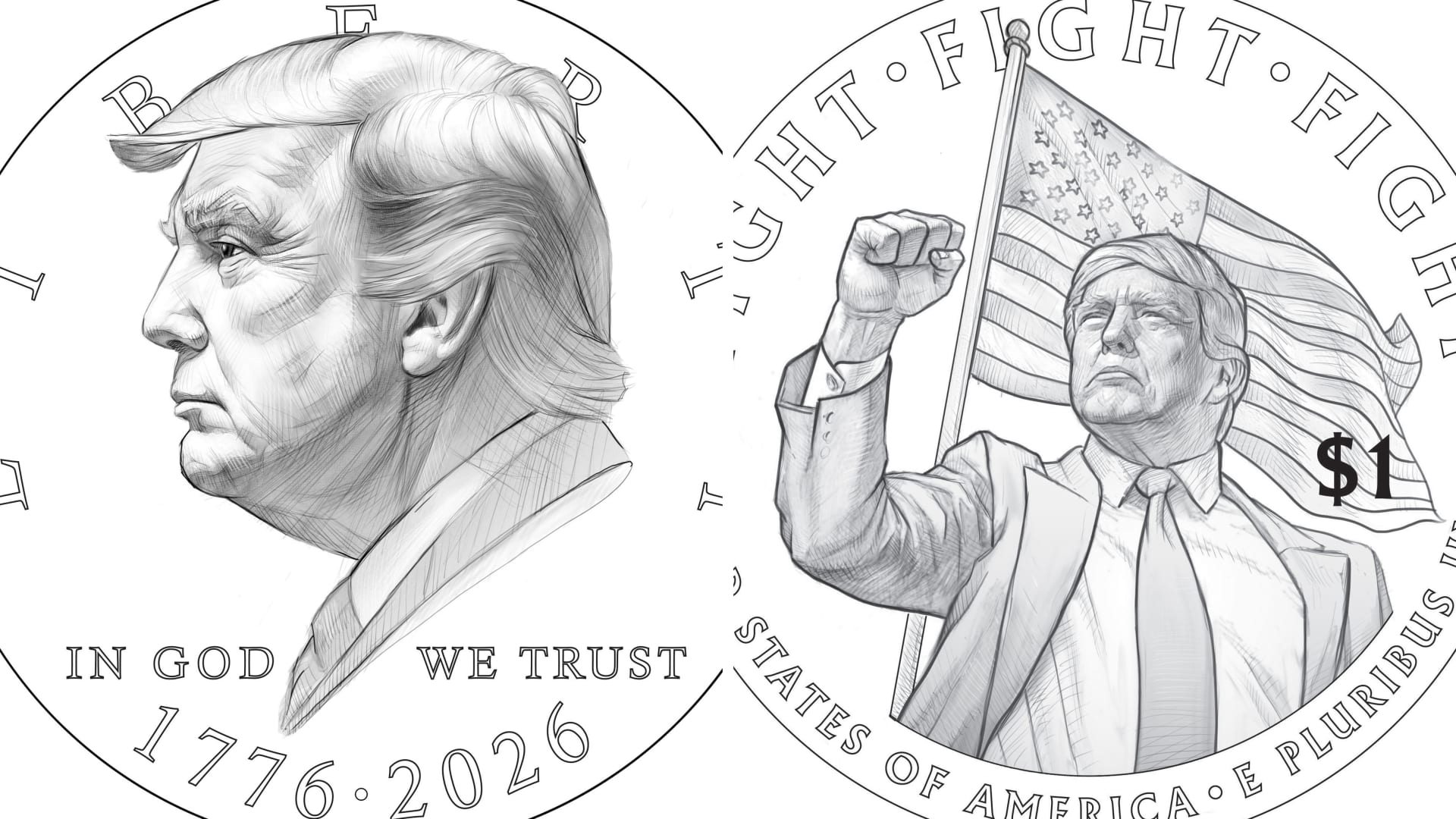
And now, in 2025, Donald Trump has publicly suggested putting his own face on U.S. currency — a proposal that would have horrified the very Congress that passed the 1866 law. His supporters cheered the idea, not realizing that they were celebrating the very thing the founders of the republic feared most. To them, it was flattery; to history, it’s a warning. The act of placing one’s image on a nation’s money is never about honoring the country — it’s about claiming ownership of it.
Trump has always understood the power of symbols. His name is emblazoned on towers, jets, and golf courses; his image dominates rallies, flags, and merchandise. He doesn’t just want to lead America — he wants to brand it. The suggestion to appear on U.S. currency isn’t a joke or a whim; it’s the logical next step in a decades-long project of self-worship. It’s the culmination of a worldview that equates loyalty to him with loyalty to the nation, dissent with treason, and criticism with heresy.
When a leader begins to blur the line between himself and the state, when he starts to replace the nation’s heroes with his own reflection, history offers a clear pattern — and it never ends well. The fall of republics doesn’t begin with violence; it begins with vanity. It starts when citizens stop recognizing the difference between the country they love and the man who claims to represent it.
In 1866, Congress understood that danger. They saw how a single image on a banknote could one day become a symbol of tyranny. They acted not out of fear, but foresight. And today, as that same threat reemerges under the guise of populism and pride, their wisdom feels more urgent than ever.
When a democracy starts printing the face of its leader on its money, it’s no longer printing currency — it’s minting loyalty. And loyalty to one man has never been the foundation of freedom.
 Kevin Breuninger