Remember, Remember the fifth of November
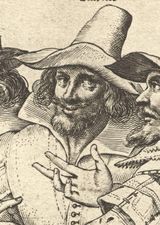
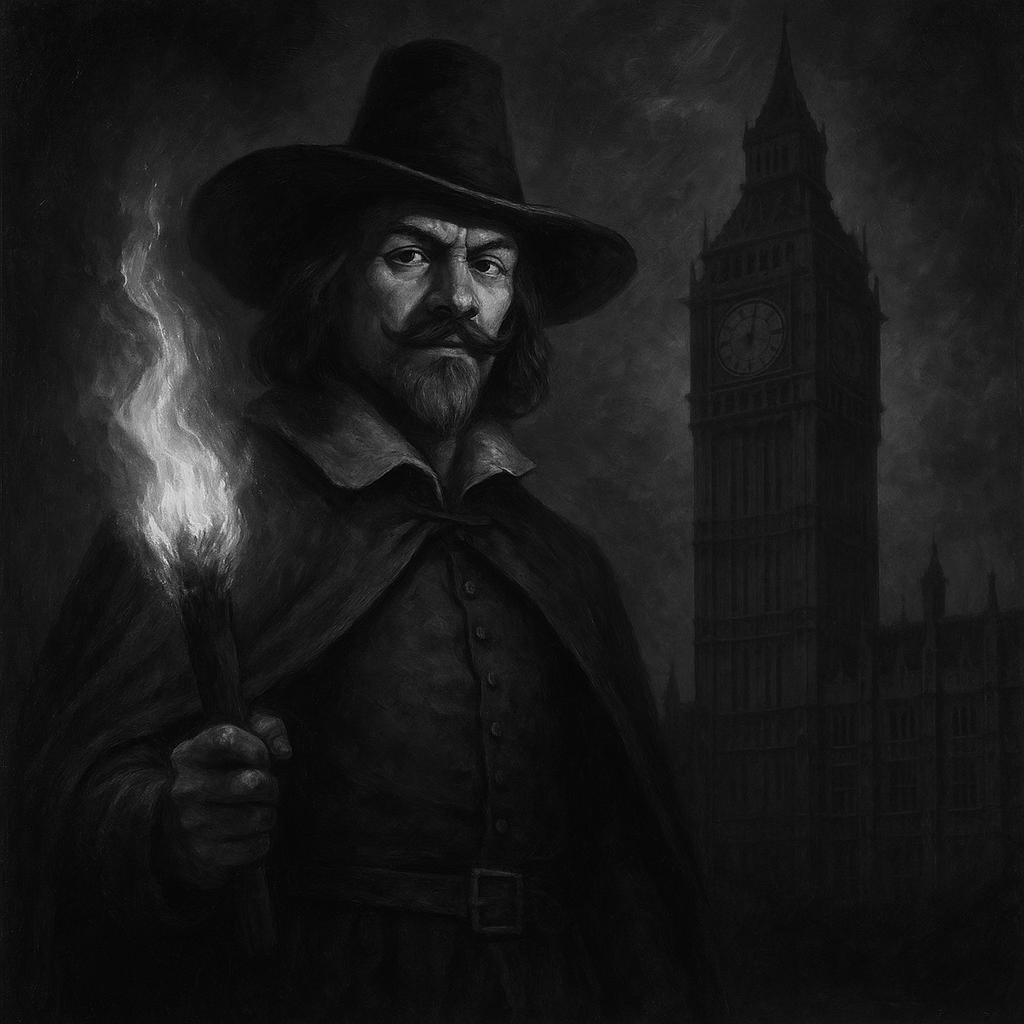
“Remember, remember the fifth of November, gunpowder, treason, and plot. I see no reason why gunpowder treason should ever be forgot.” The rhyme sounds like a nursery song, but behind its sing-song rhythm lies one of the most audacious plots in British history—a moment when rebellion flickered so hot it nearly turned the Empire to ash.
In 1605, England was a kingdom divided by faith. Protestantism had taken root under Elizabeth I, and Catholics, long oppressed and fined for their worship, lived in fear and resentment. When James VI of Scotland ascended to the English throne as James I, many Catholics hoped for tolerance at last. But the new king, more politician than peacemaker, kept the same restrictions in place, forcing Catholics further into the shadows. Out of that persecution grew something dangerous—a belief that the only way to restore freedom was to destroy the government that denied it.
Robert Catesby, a charismatic and radical English Catholic, conceived a plan that bordered on the unthinkable. He would strike at the very heart of Protestant power: the State Opening of Parliament. His goal was not just to kill the king, but to wipe out the entire leadership of England in one explosion—king, lords, bishops, judges, all gone in a single, fiery instant. With the government in ruins, Catesby hoped to ignite a rebellion that would restore a Catholic monarch to the throne.
To make the vision real, Catesby needed a soldier. He found one in Guy Fawkes, an Englishman hardened by years of war in Catholic Spain. Fawkes was steady, disciplined, and unflinching—the perfect man to handle explosives. Under the alias “John Johnson,” he rented a cellar beneath Parliament and filled it with thirty-six barrels of gunpowder—enough to erase the building and everyone in it. The plan was elegant and brutal: Fawkes would light the fuse on November 5, 1605, and escape across the Thames before the dawn brought ruin.
But even the most carefully laid powder needs only a single spark of doubt to undo it. One of the conspirators, anxious for the safety of a friend, sent an anonymous letter warning a Catholic noble to stay away from Parliament that morning. That letter reached the king’s men, and in the early hours of November 5th, guards swept through the cellars. There, among bundles of firewood, they found Fawkes, calm and composed, carrying fuses and a watch. When asked what he meant to do with so much gunpowder, he replied, “To blow you Scotch beggars back to your mountains.”
Fawkes was taken to the Tower of London and tortured under orders from the king. His silence broke slowly—his body before his spirit. The signature on his confession is still preserved, a shaky ruin of ink showing the toll of pain. The conspirators were hunted down and killed or captured, and the survivors met the slow, cruel death of traitors—hanged, drawn, and quartered. Fawkes, ever defiant, leapt from the scaffold to break his own neck before they could finish the work.
The government responded with spectacle. Bells rang in thanksgiving for the king’s survival, and bonfires were lit across England. Parliament declared November 5th a national day of celebration. Over time, the ritual became tradition—Bonfire Night—when effigies of Fawkes were burned and fireworks exploded in the cold November air. What had been an act of rebellion was repurposed into a celebration of obedience.
Yet history is never quite so obedient. The image of Guy Fawkes—the masked man in the shadows with a hand on the fuse—outlived his crime. Centuries later, his face would become a mask of resistance. Popularized by V for Vendetta and adopted by movements like Anonymous, it became a symbol of defiance against authority and the faceless machinery of power. What began as treason became, in time, an emblem of protest.
That is the irony of the Fifth of November. It is both a warning and a promise—a reminder of the danger of fanaticism, but also of the inevitable backlash to tyranny. The same fire that threatened to destroy Parliament became a mirror of power itself: one generation’s villain can become another’s icon of courage.
Today, the bonfires burn not just for the survival of Parliament, but for something older and more human—the memory that people will always reach for fire when they feel unheard. The Fifth of November endures because the tension it represents never truly disappears. Between the match and the crown, between the people and their rulers, there is always a spark waiting in the dark.