The Comfort of Obedience and the Cost of Silence

The Comfort of Obedience and the Cost of Silence
Immanuel Kant once wrote, “Laziness and cowardice are the reasons why so great a proportion of men, long after nature has released them from alien guidance, nonetheless gladly remain in lifelong immaturity, and why it is so easy for others to establish themselves as their guardians.” He was not describing dictators, propagandists, or tyrants. He was describing us — ordinary people. People who would rather be told what to think, how to act, and what to believe than risk the discomfort of deciding for themselves. To Kant, cowardice was not merely fear. It was the surrender of one’s freedom. It was choosing comfort over conscience, authority over agency, obedience over responsibility.
Cowardice rarely looks dramatic. It doesn’t often appear in moments of crisis with screaming crowds and raised fists. Most of the time, it looks like quiet compliance. It’s the voice that whispers: Don’t speak up. Don’t get involved. Don’t risk your job, your standing, your peace. It is the student who chooses silence in the face of cruelty. The office worker who laughs along with the joke they know is wrong. The neighbor who sees injustice and tells themselves it’s “not their business.” We imagine evil as something loud, sharp-edged, and obvious. But in practice, it advances most effectively through apathy — when people choose the comfort of looking away.
And that’s where it begins: not with hatred, but with indifference. Fear becomes habit. Habit becomes culture. And culture becomes complicity. People stop asking hard questions. They stop challenging authority. They trade curiosity for certainty. They allow others to define what is moral, what is true, what is justified. And in doing so, they become spectators to their own society. Kant understood that freedom requires effort — and that effort is precisely what most people avoid.
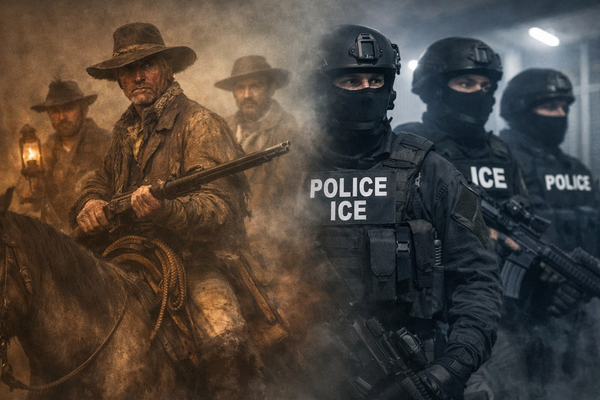
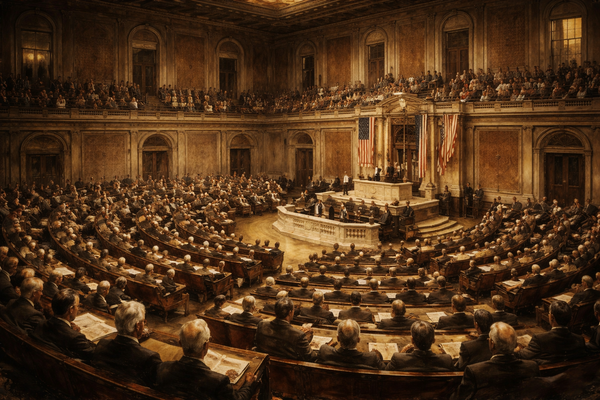
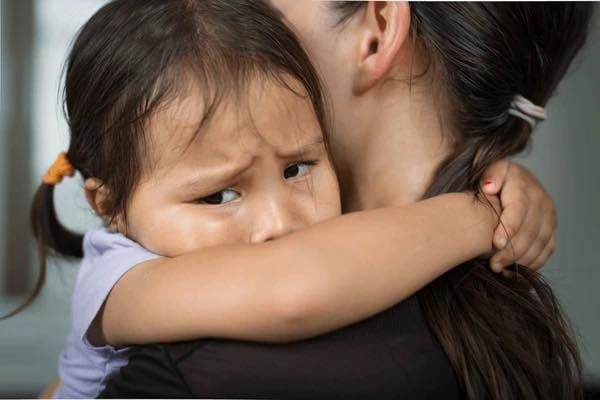
We are living through that lesson now. In America today, silence has become its own ideology. We see cruelty framed as policy, authoritarianism packaged as patriotism, and propaganda sold as common sense. We watch leaders attack journalists, educators, immigrants, and protestors — and too many shrug. We see public institutions twisted to serve private interests, rights eroded one policy at a time, and a nation slowly numbing itself to outrage. Not because people don’t care — but because speaking up feels risky, inconvenient, exhausting. Because fitting in feels safer than being right.
Cowardice is not born in the shadows. It is born in the well-lit rooms of comfortable people who believe they are untouched by consequence. It thrives among those who think history is something that happens to other people — somewhere else, sometime later. But history never begins with the victims. It begins with the bystanders. With the ones who could have spoken and didn’t. With the ones who believed their silence protected them.
The truth is that silence doesn’t protect anyone. It only delays the moment when the harm reaches your door.
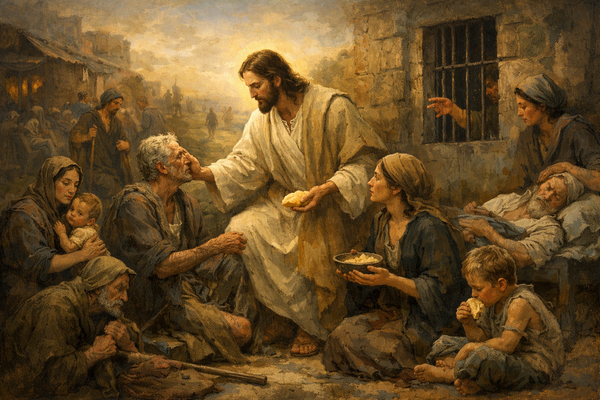
The antidote to cowardice is not fearlessness. It is the willingness to act despite fear. It is courage in ordinary, unglamorous moments — the kind that costs something. It is refusing to dehumanize others even when your community encourages it. It is calling out injustice in your own circles, not just condemning it from afar. It is choosing to be a citizen instead of a spectator.
Because power does not fear outrage — it fears awakening.
The question is no longer Do you care? Most people do.
The question is:
Will you choose comfort, or will you choose conscience?