The Courage to See
History doesn’t only remember the villains. It remembers the silence.
In Nazi Germany, most people weren’t executioners. They were teachers, neighbors, farmers, and mothers — ordinary people who told themselves they were “just trying to live their lives.” They wanted to keep their heads down, protect their families, and not get involved. They saw their Jewish neighbors disappear, heard the rumors, smelled the smoke — and turned away.
Every era has its bystanders — people who convince themselves that morality is someone else’s responsibility. They tell themselves they’re not part of the problem because they aren’t directly involved, that life is complicated, and that it’s better to stay quiet than risk conflict. The Germans even had a word for them: Mitläufer — those who “run along.” They weren’t the architects of evil, just the ones who kept the machinery turning by doing nothing to stop it. They are the people who, in every generation, trade conscience for comfort and convince themselves that silence is safety.
The same thing happened in America during the era of lynchings. Entire towns gathered in the square to watch, and most didn’t throw the rope or light the fire — they just stood there. Some pretended they didn’t see. Others went home, said their prayers, tucked their children into bed, and told themselves they were good people.
We like to think we’re different now. But look around.
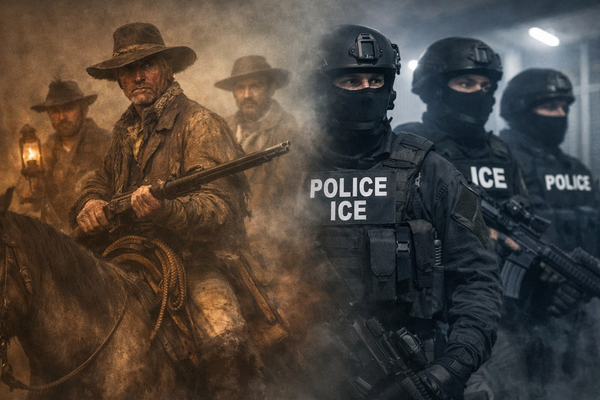
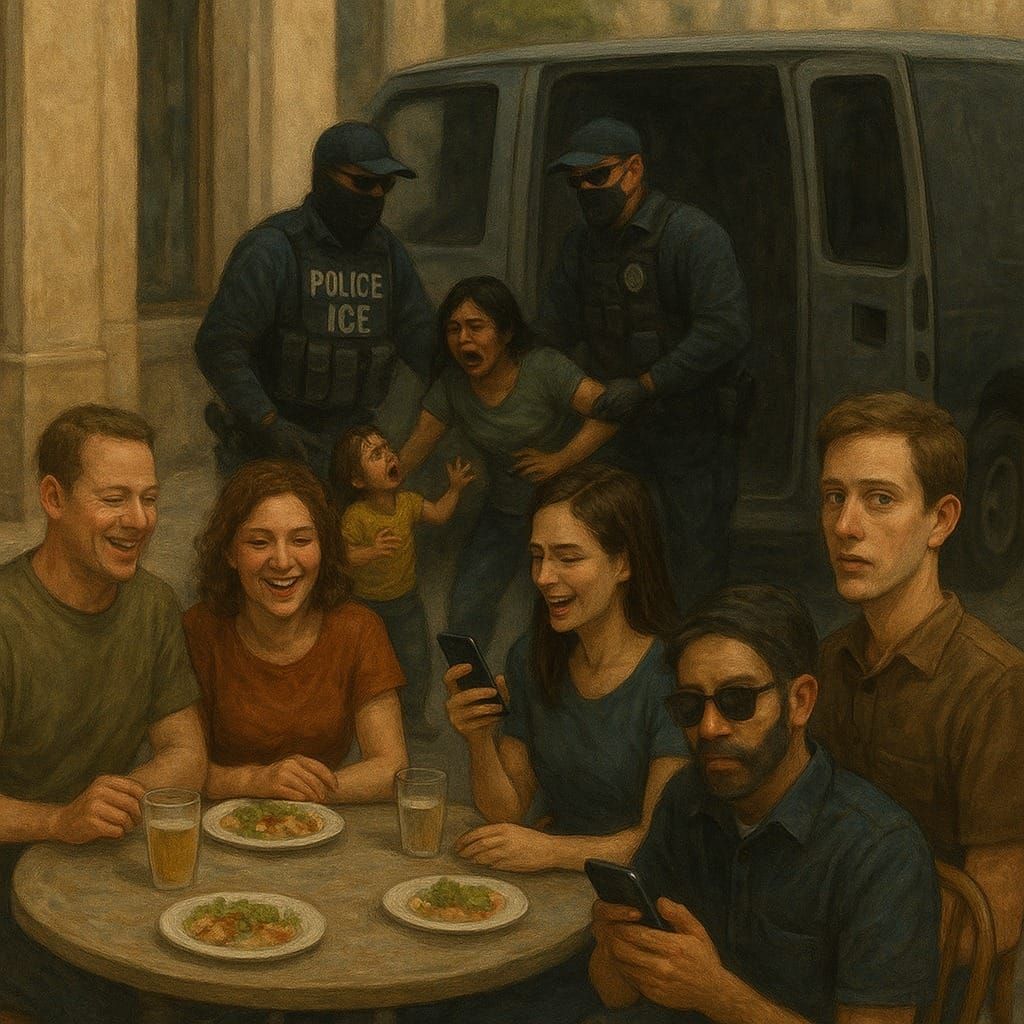
Today, people scroll past injustice every day — children locked in cages, political violence, the spread of hate — and keep on scrolling. They don’t want to see it. They want to look at pictures of each other’s kids, vacations, and dinner plates. They want to hold onto the illusion that everything’s fine. And in a sense, that’s understandable — the human mind is wired to avoid pain.
Psychologists call it motivated ignorance. It’s a survival instinct — when the truth feels overwhelming, people turn away to preserve their sense of normalcy. They tell themselves “there’s nothing I can do” or “I just need to stay positive.” It’s how people protect their peace. But what starts as self-protection becomes complicity when that peace depends on someone else’s suffering.
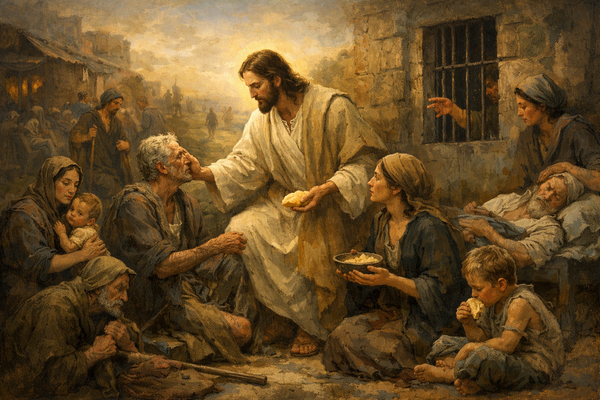
Dante understood this kind of moral emptiness. In The Divine Comedy, he placed the indifferent — those who refused to take sides, who did nothing in the face of good and evil — not in hell itself, but outside its gates. They were rejected by both heaven and hell, because even damnation required conviction. Dante saw neutrality not as mercy, but as cowardice — a refusal to live with moral weight.
Turning away is not neutrality. It is permission.
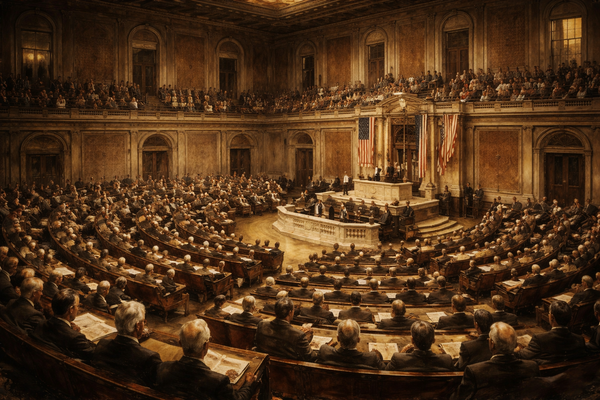
We can’t have a functioning democracy if citizens choose comfort over conscience. The very foundation of this country rests on the belief that people must be awake, engaged, and willing to confront wrongdoing — even when it’s painful.
The preamble to our Constitution begins with a promise: “We the People of the United States, in Order to form a more perfect Union…”
A more perfect union was never meant to be comfortable. It was meant to be courageous.
The Founders understood this. Thomas Jefferson wrote, “The price of freedom is eternal vigilance.” And John Adams warned, “Liberty cannot be preserved without a general knowledge among the people.”
A democracy dies not only when tyrants rise, but when good people stop paying attention. When we look away, we break the social contract that binds us — the unspoken agreement that says we will defend one another’s humanity, even when it’s inconvenient.
The Founders weren’t perfect men — many upheld systems of injustice themselves — but even they understood that freedom requires participation, and justice requires witness.
You cannot build a just world by averting your eyes. You cannot claim to love your country while ignoring the suffering within it. A functioning society demands that we see what is happening — that we listen, speak, and refuse to be silent when power is abused or lives are devalued.
Silence is not peace. It is cowardice disguised as civility.
Every generation faces a moment when it must decide whether to look away or to confront the truth. This is ours.
If we want that “more perfect union,” we must earn it — not by pretending everything is fine, but by facing what is not.