The Day Democracy Died in Wilmington — and How Its Echo Still Haunts Us

Most Americans have never heard of the Wilmington Coup of 1898. But they should have. Because it is not just a story about the past — it is a mirror held up to our present.
In November of that year, Wilmington, North Carolina, was a rare symbol of progress in the post–Civil War South. It was a majority-Black city with a thriving middle class, Black-owned businesses, and a multiracial government elected through lawful means. It represented what America could have been — a democracy that included everyone.
But for those who could not bear that vision, democracy itself became the enemy.
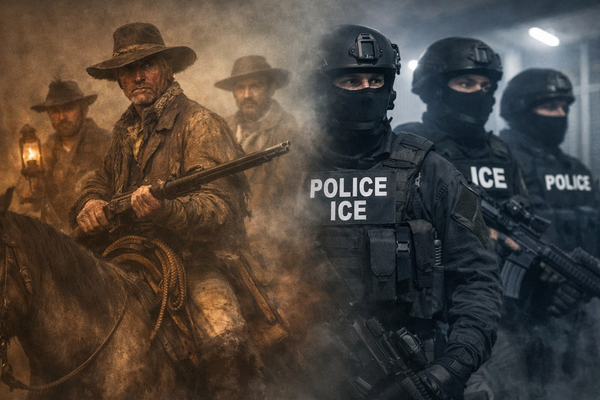
After an election where Black citizens and their white allies won local office, white supremacists refused to accept the results. They didn’t just protest. They organized militias. They printed lies in newspapers, stoking fear that Black political power was a threat to civilization. And then they did what no foreign army ever has: they overthrew an American government on American soil.
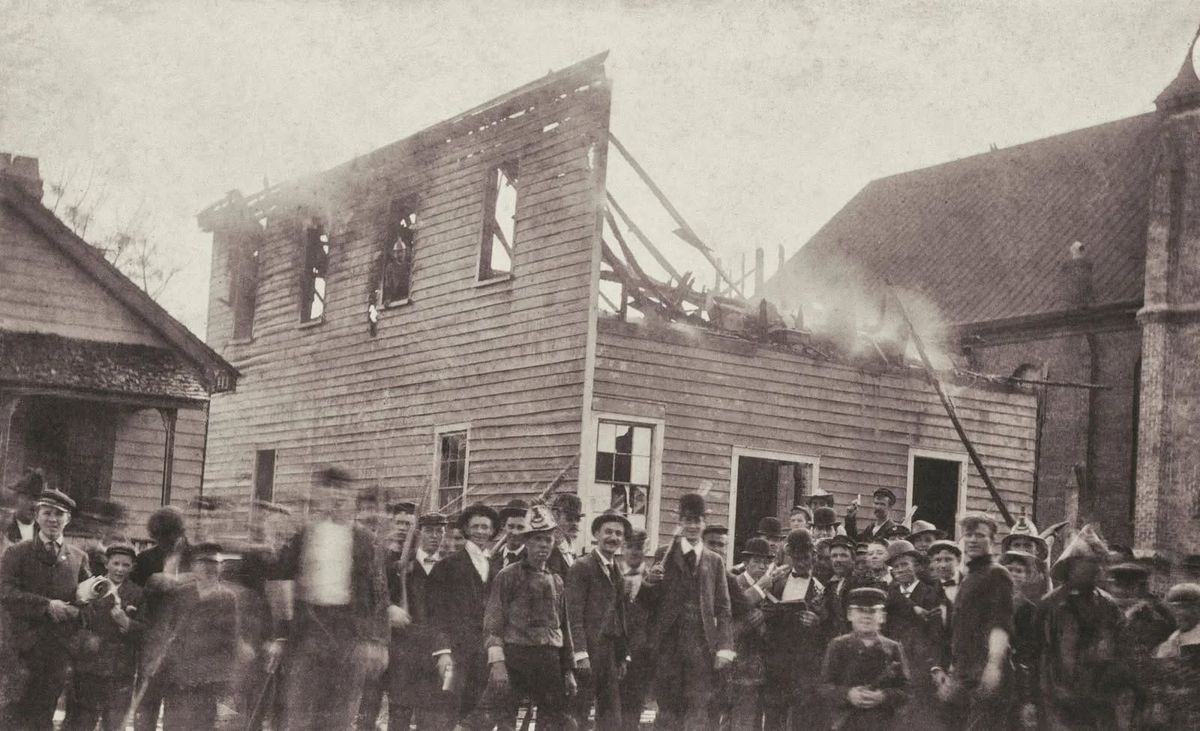
Armed mobs marched through the streets. They burned the offices of The Daily Record, a Black-owned newspaper that dared to speak the truth. They shot people in cold blood. They forced duly elected officials to resign at gunpoint. By the end of the day, the city was on fire — and the men who led the coup stood on the ashes declaring that “white rule” had been restored.
And then America did something even worse.
It forgot.
For over a century, textbooks called it a “race riot” instead of what it was: a coup d’état. The men who led it were not prosecuted; they were celebrated. Some went on to become congressmen and senators. Monuments were built to their “redemption.” The victims were buried quietly — their stories buried deeper still. And generations of Americans grew up never learning that democracy had once fallen, not overseas, but here at home.
Why does that matter now? Because the ghosts of Wilmington have never really left us.
Democracy does not collapse in one violent instant; it erodes in the silence that follows. It fades when lies are louder than truth, when violence is excused as “defense,” and when history is rewritten to make oppressors look like saviors. Wilmington teaches us what happens when mobs believe their votes matter more than yours, when losing an election feels like an existential threat, when fear becomes the organizing principle of politics.
We’ve seen echoes of this before — in the burning crosses of the 1920s, the segregated ballot boxes of the 1960s, and the storming of the Capitol in 2021.
And we are seeing them again.
Today, as politicians cast doubt on elections they lose, as armed groups call themselves “patriots” while threatening public servants, as states rewrite textbooks to hide our ugliest truths — Wilmington feels less like history and more like prophecy.
Democracy isn’t guaranteed by borders or flags. It doesn’t live in marble buildings or written laws. It survives only as long as people defend it — when it’s inconvenient, when it’s unpopular, when it costs something.
The lesson of Wilmington is not that democracy can fall. It’s that it can fall quietly.
It dies when the mob doesn’t need to storm the courthouse because it already owns it.
So remember this: democracy isn’t something we inherit. It’s something we defend — every election, every conversation, every time we choose truth over comfort and courage over fear.
Because history doesn’t repeat itself.
It rhymes.
And if you listen closely, the chorus is getting louder.