The Fourth Turning and the Politics of Manufactured Destiny

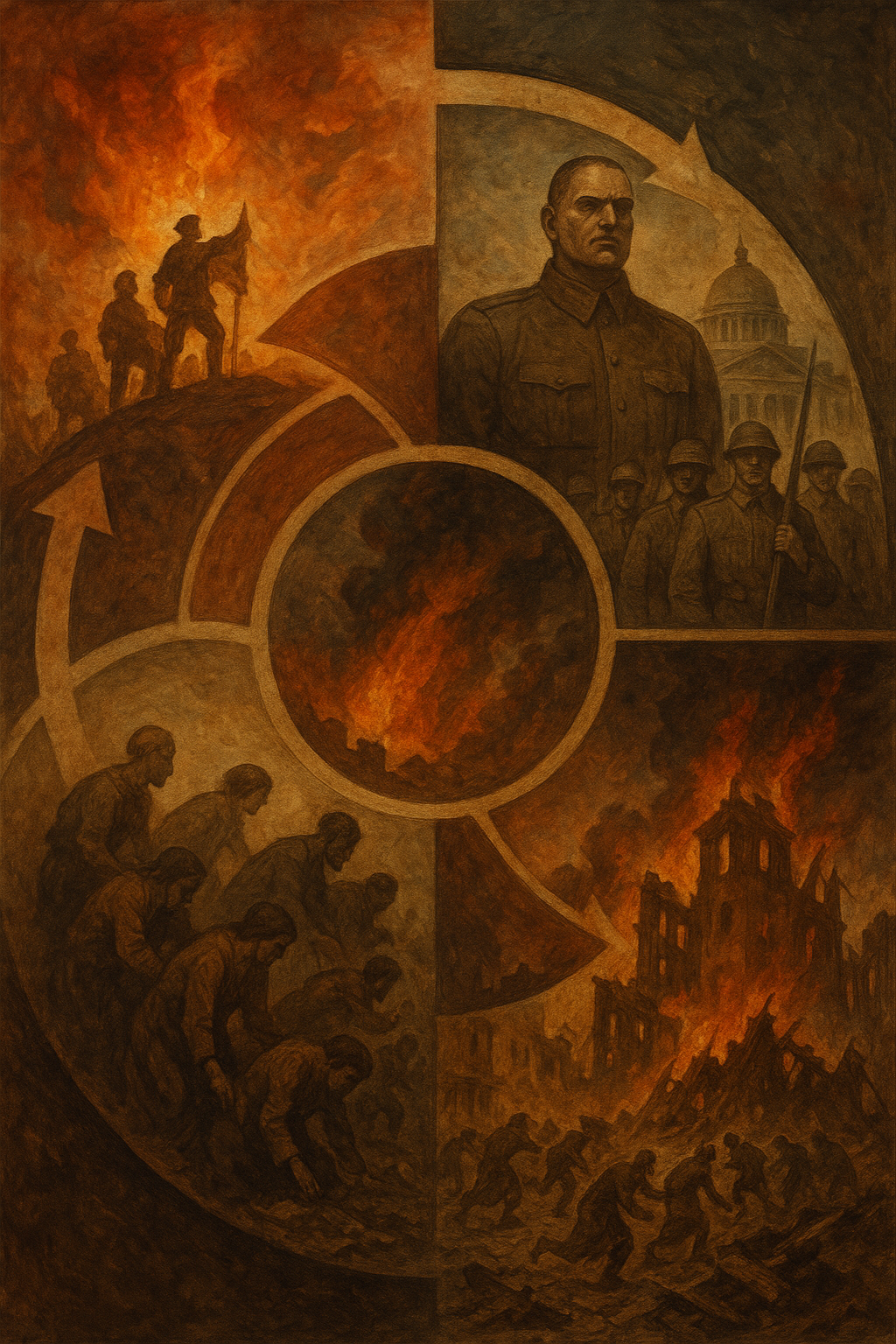
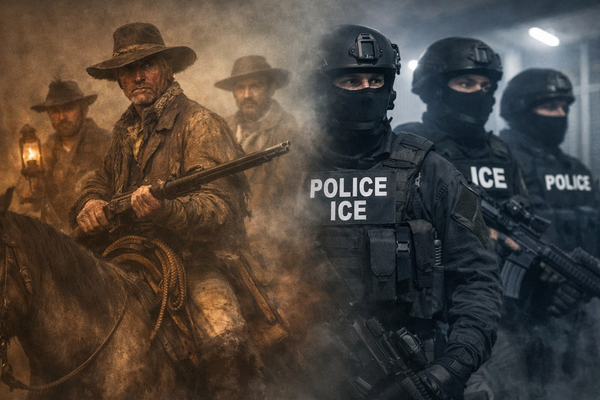
The Fourth Turning becomes most dangerous at the moment it is no longer treated as an interpretive framework and is instead recast as a mandate. Steve Bannon’s use of Strauss and Howe’s work marks that shift. What began as a theory describing recurring patterns of institutional decay and renewal is transformed, in his hands, into a justification for rupture, coercion, and centralized authority. Crisis is no longer something to be understood or navigated. It is something to be summoned, directed, and resolved by force.
Bannon’s reading collapses contingency into certainty. If history is governed by cycles, and if the nation is allegedly trapped in the final and most violent phase of one, then restraint appears naïve and delay immoral. Democratic procedures become inconveniences standing in the way of historical necessity. Law loses its legitimacy because it is associated with the unraveling order. What replaces it is a politics of destiny, in which outcomes are assumed in advance and dissent is treated as resistance to history itself rather than disagreement among citizens.
This logic has a familiar structure. Authoritarian movements have always thrived on claims of inevitability. When leaders persuade a population that collapse is unavoidable and that only extraordinary power can avert catastrophe, people become more willing to surrender limits they once defended. Emergency becomes permanent. Loyalty becomes the highest civic virtue. Violence, whether physical or institutional, is reframed as cleansing rather than criminal. The Fourth Turning, stripped of nuance, becomes an alibi for these moves rather than a warning against them.
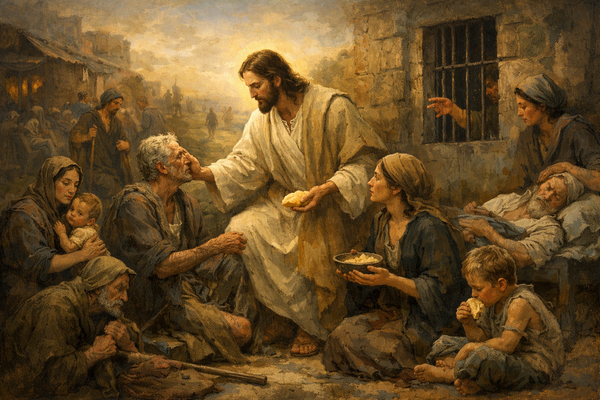
The danger deepens when this narrative is absorbed by the religious right. In that fusion, the crisis is no longer merely historical but theological. Political opponents are recast as enemies of divine order. Elections become suspect if they deliver the wrong outcome. Courts are delegitimized when they fail to sanctify power. The state is no longer accountable to the people. It is accountable to a higher mission, interpreted by those who claim exclusive access to truth. Once politics is framed as spiritual warfare, ordinary democratic ethics cannot survive. Mercy looks like weakness. Pluralism looks like decay.
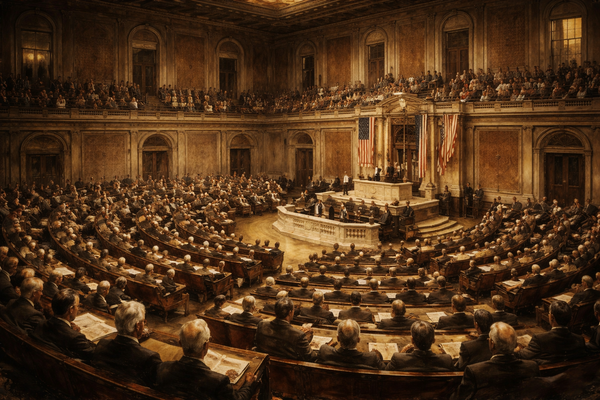
This is a profound distortion of both American history and the Fourth Turning thesis itself. Past crisis eras were not resolved by suspending democracy in favor of personal rule. They were resolved through bitter struggle over how power should be redistributed, constrained, and legitimized. The Civil War did not end by enthroning a savior above the Constitution. It ended by violently settling the question of whether the republic would tolerate slavery, followed by constitutional amendments that expanded the moral scope of citizenship. The New Deal order did not arise from the destruction of institutions but from their aggressive reinvention, often against fierce opposition, and always within a contested constitutional framework.
Bannon’s version replaces collective responsibility with theatrical salvation. It elevates a single figure as the embodiment of historical will and treats loyalty to that figure as synonymous with patriotism. This is not renewal. It is regression. It abandons the central insight that crisis periods demand stronger institutions, clearer norms, and broader inclusion, not their hollowing out in service of dominance.
The civic lesson here is precise and uncomfortable. Crisis narratives can either discipline power or intoxicate it. When citizens accept the claim that history requires authoritarian rule, they stop asking whether power is being exercised justly, lawfully, or competently. They begin to judge politics by emotional certainty rather than institutional integrity. That shift has ended republics before.
If the United States is living through a genuine crisis era, the Fourth Turning does not license authoritarianism. It indicts complacency, corruption, and moral evasion, but it does not absolve those who exploit fear for control. The real test of a Fourth Turning is not whether a strongman can seize the moment. It is whether a society can confront decay without surrendering its commitment to shared governance, restraint, and human dignity. History does not demand submission. It demands judgment.