
The Geography of Hunger: How SNAP Reveals America’s Economic Divide

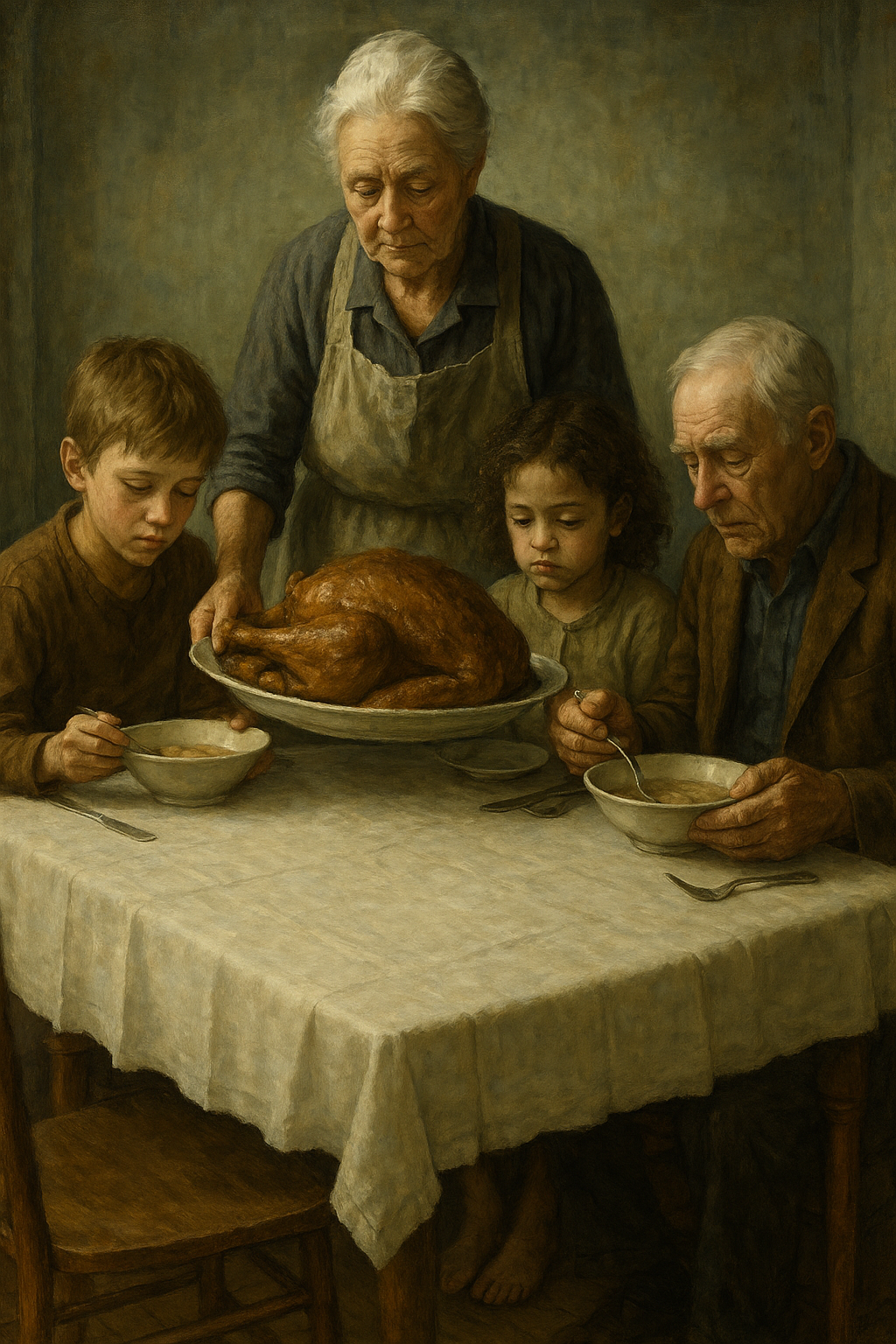
The Supplemental Nutrition Assistance Program—better known as SNAP—has become a mirror of America’s quiet inequalities. It is one of the few federal programs that touches nearly every county in the nation, yet its presence varies like the landscape itself. When you map out where Americans rely on food assistance, you see not just hunger, but the contours of the country’s political, racial, and generational divides.
In the Deep South and parts of Appalachia, SNAP is woven into daily life. States like Louisiana, West Virginia, Alabama, and Oklahoma—solidly Republican strongholds—have some of the highest percentages of residents dependent on food assistance, with rates approaching one in five. Across the Southwest, New Mexico stands out as the most food-insecure state in the nation, where more than 20% of the population relies on SNAP. By contrast, more prosperous “blue” states like Massachusetts, Utah, and Colorado have rates below 8%. Yet the irony is unmistakable: the regions most politically opposed to federal social programs are often the most dependent on them for survival.
The reasons aren’t ideological—they’re structural. Poverty rates, low wages, and limited access to steady employment drive the numbers far more than party affiliation. The South has the nation’s lowest median household incomes and some of the weakest labor protections. In much of rural America, there are few alternatives to federal safety nets. SNAP is not a symptom of political leanings; it’s an indicator of economic distress. Red states tend to be poorer, not because of who they vote for, but because decades of underinvestment, deindustrialization, and low-wage service economies have left millions of working families vulnerable to food insecurity.
But geography tells only part of the story. Age and family composition shape the rest. About four in ten SNAP recipients are children, while another two in ten are seniors. The remaining adults are largely low-wage workers or caretakers. Contrary to stereotypes, the majority of working-age adults receiving benefits either work or are temporarily unemployed. The program is less a safety hammock than a safety net—helping people between jobs, supplementing underpaid labor, and protecting children and elderly relatives from going hungry when wages or pensions fail. SNAP is as much a labor policy as a welfare policy, propping up the fragile foundation of the American working class.
The racial dimensions of SNAP are equally revealing. Black and Hispanic households account for nearly half of all SNAP participation, far exceeding their share of the general population. This isn’t the result of dependency—it’s the result of inequity. Generations of housing discrimination, educational disparities, and wage gaps have produced a modern caste system in which people of color are more likely to struggle with food insecurity. Yet SNAP mitigates that disparity more effectively than almost any other program. Studies show that participation in SNAP nearly eliminates racial differences in food insecurity, proving that federal support can, at least temporarily, counterbalance structural inequality.
The divide between red and blue America hides a deeper truth. SNAP dependence is greatest where economic fragility is greatest, regardless of politics. Many of the states that rail against federal spending are net beneficiaries of it. In effect, blue states—with higher tax bases—subsidize the hunger relief programs that sustain large parts of rural and southern America. It’s one of the few remaining systems in which the American social contract still functions: wealthier regions quietly sustaining poorer ones, even when their leaders refuse to admit the need.
At a national level, the program’s demographics tell a consistent story. The typical SNAP household earns less than half the federal poverty line. Most are families with children or older adults living on fixed incomes. About 80% of recipients have no savings, meaning a lost paycheck, a medical bill, or a broken car can trigger a food crisis. In that sense, SNAP is not simply about food—it’s about resilience. It prevents small shocks from becoming catastrophes.
The political irony, however, is striking. Proposed cuts or restrictions to SNAP—often championed by lawmakers from high-SNAP states—would disproportionately hurt their own constituents. Austerity politics plays well in campaign speeches, but its human cost is borne in local grocery stores and kitchen tables. In many red counties, SNAP spending is one of the largest sources of federal stimulus, flowing directly into rural economies that depend on it for jobs and small-business revenue. Every dollar in SNAP benefits generates roughly $1.50 in economic activity. Cutting SNAP doesn’t just take food off tables—it takes money out of communities.
The program’s racial, regional, and generational footprint paints a complex but unmistakable picture of America’s class divide. In wealthy suburbs and urban cores, food insecurity is rare and often invisible. In rural towns, southern counties, and inner-city neighborhoods, it remains a daily struggle. SNAP is more than a welfare program—it is a quiet ledger of where the American dream has faltered, and where the need for empathy still outweighs the politics of blame.