The Gospel of Apathy: How Evangelicals Turned “Thoughts and Prayers” into a Moral Alibi

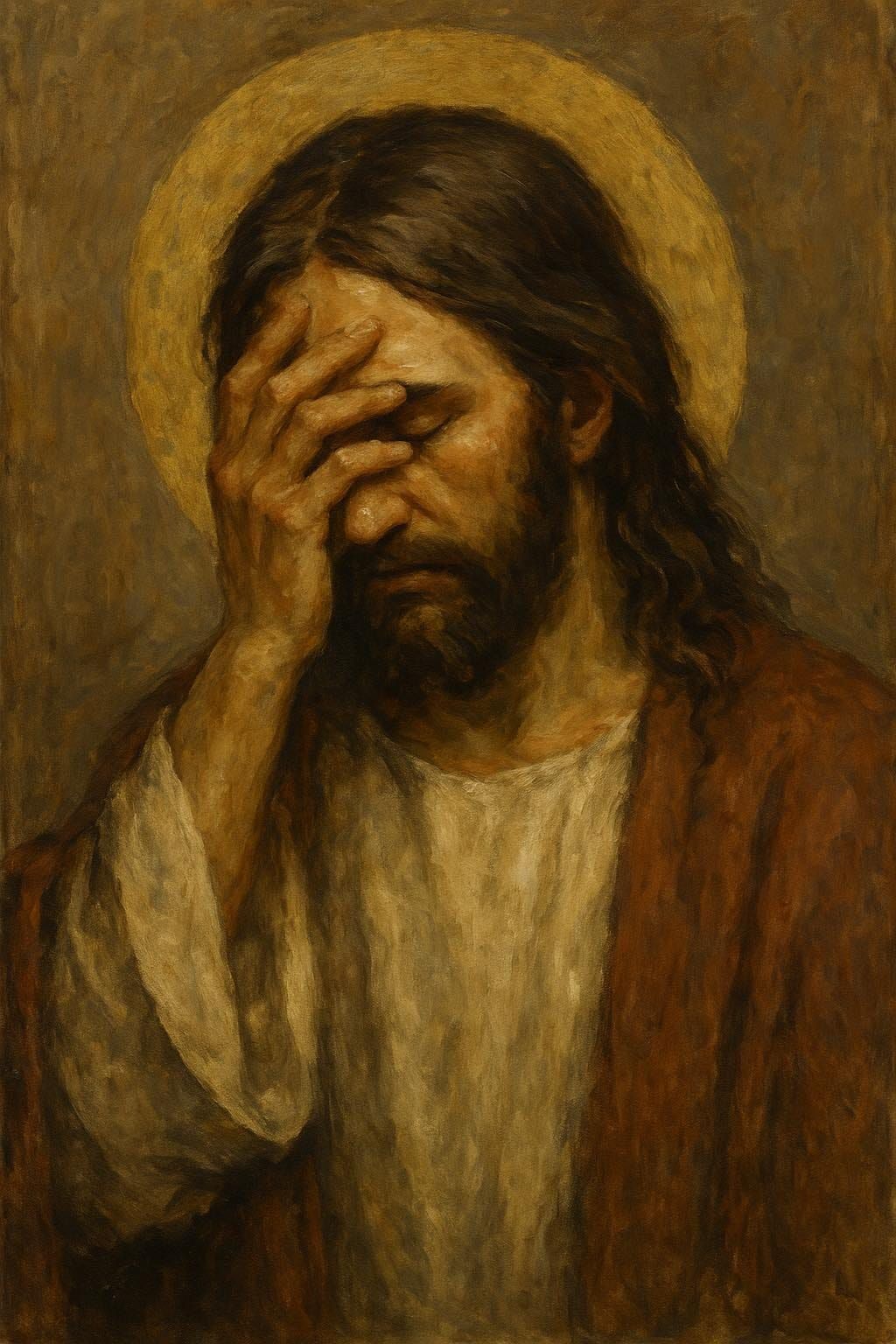
There is no phrase more emblematic of modern American hypocrisy than “thoughts and prayers.” Once offered as genuine comfort, it has become the anthem of inaction—the national lullaby we sing to drown out our own complicity. Its rise is no coincidence. Linguistic and cultural trends show that the phrase was nearly nonexistent before the 1980s, only becoming widespread as the Religious Right fused Christianity with political power. As white evangelicals wrapped their theology in patriotism, they required a language that sounded compassionate but preserved their authority. “Thoughts and prayers” became the perfect moral alibi: a way to appear righteous while refusing to act.
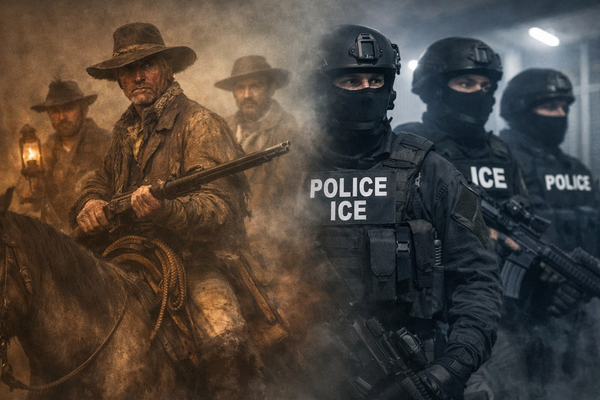
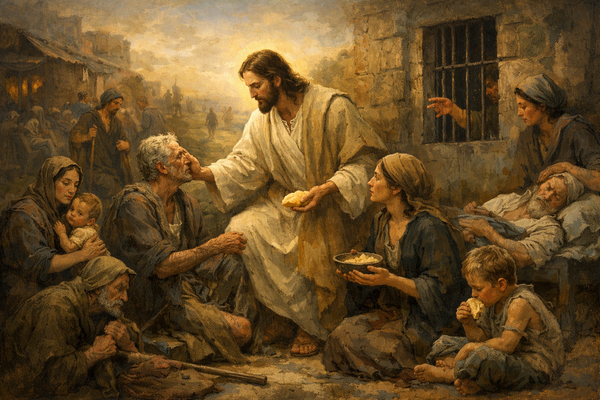
Kristin Kobes Du Mez documented this transformation in Jesus and John Wayne, explaining how white evangelicalism slowly replaced the humility of Christ with the swagger of a warrior. Jesus the healer became Jesus the enforcer. The Prince of Peace became a general. The unspoken creed became clear: salvation is spiritual, but order is maintained by force. The result is a faith that praises power more than mercy, nationalism more than neighbor, dominance more than compassion. In such a culture, “thoughts and prayers” are the only safe expression of empathy—one that never threatens the altar of fear and control.
This performance is now ritual. After every school shooting, racial massacre, or preventable tragedy, political and evangelical leaders flood social media with pious condolences. But behind closed doors, they block gun reform, gut mental health funding, ban books, attack teachers, slash social programs, and demonize science. They send prayers to the wounded while defending the machinery that wounds. They mourn the dead while blessing the policies that ensure more death. The cruelty isn’t in their scripture—it’s in the hollow space where compassion used to be.
White evangelicals are now the most heavily armed religious demographic in America. They are more likely than other Christians to insist that political violence may be necessary “to save the nation.” They see the gun not as a tool, but as a sacrament—an instrument of righteous fear, an extension of divine entitlement. When violence erupts, they don’t question the idol they’ve built; they lay hands upon it.
So “thoughts and prayers” endure—not as spiritual practice, but as a strategy. A performance. A laundering of guilt. A way to feel sorrow without surrendering power. A way to speak of God while refusing to be moved by Him.
If Christ entered the average evangelical megachurch today, He would find His name invoked to defend the very things He condemned. He would see a people who mourn the consequences of their choices while fiercely protecting the causes. He would hear their prayers—and ask why they stopped listening long ago.
“Thoughts and prayers” are not empathy. They are the echo of a church that once claimed it could change the world, and now refuses to change itself.