The Mirror of History

History is not what most people think it is. It’s not a clear story of good versus evil or a steady march toward justice. It’s a story rewritten by those who survived, polished by those who benefited, and simplified by those who want to believe they would have done better. The version we are taught in school — the one we pass on to our children — is a comforting illusion, a story that flatters our collective conscience. But the truth is far more complicated, and far more human.
We tell ourselves we would have been the ones who hid Jewish families in our basements, who refused to attend the rallies, who stood up for the enslaved, who marched beside Martin Luther King Jr. It’s easier to imagine ourselves as brave and moral than to confront how few people actually were. In every era of history, the majority of people didn’t resist evil — they adjusted to it. They rationalized it, explained it away, or convinced themselves it wasn’t their concern.
During World War II, Americans like to remember themselves as liberators, but we forget that while we fought fascism abroad, we imprisoned Japanese Americans in internment camps at home. We forget that major U.S. corporations — IBM, Ford, General Motors, and others — continued doing business with Nazi Germany long after its brutality was known. We remember the fall of Hitler, but not the silence that made his rise possible.
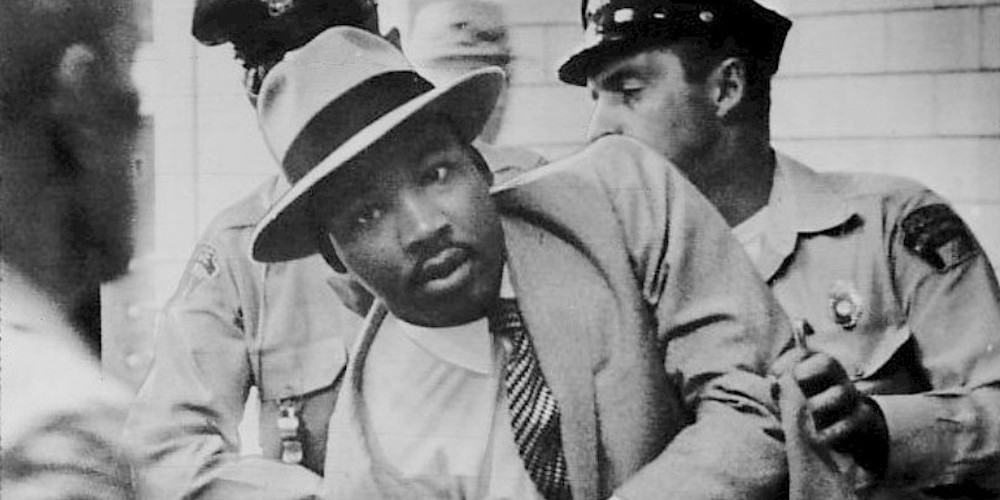
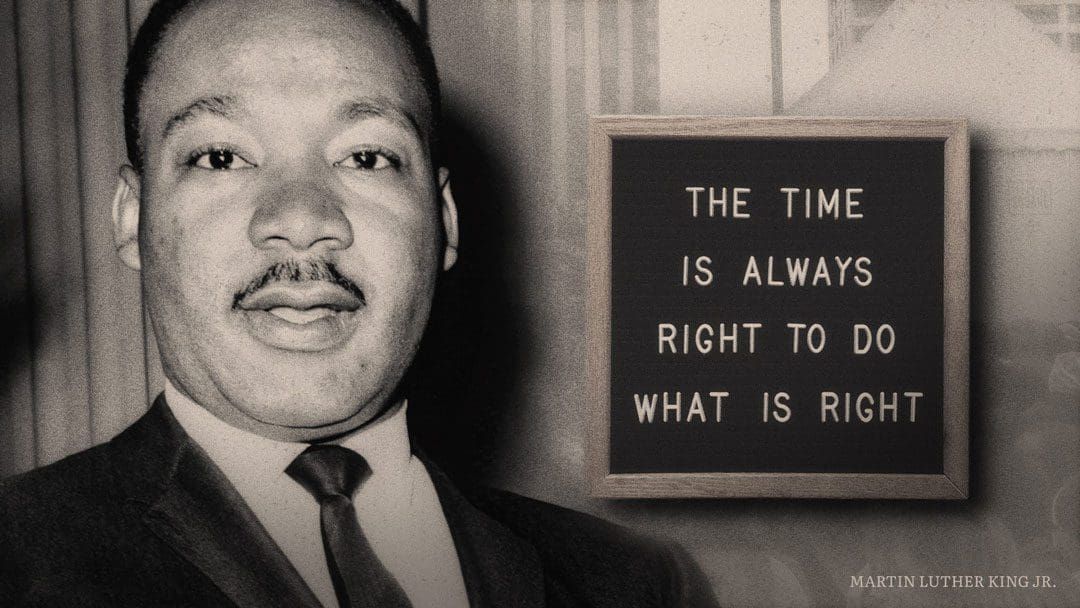
And when we talk about the Civil Rights Movement, we remember the triumph of Martin Luther King Jr. but not the polls showing that, in 1966, nearly two-thirds of white Americans disapproved of him. We forget that many of the same people who now quote him once called him an extremist and said he was “moving too fast.” We forget that Rosa Parks wasn’t simply tired one day — she was a trained activist challenging a system upheld by ordinary citizens who thought they were just following the rules.
History gets scrubbed clean because the truth makes us uncomfortable. We don’t want to see ourselves in the villains or the bystanders, so we edit the story to make it simpler. We turn the oppressors into caricatures and the heroes into saints, leaving out the uncomfortable middle — the millions of people who saw what was happening and said nothing. That middle is where most of humanity lives.
This is how nations maintain their innocence — by teaching half-truths, by celebrating the progress while ignoring the pain that made it possible, by turning every moral failure into a triumph of hindsight. We build monuments to justice after the injustice has already won.
The psychology of it is easy to understand. People need to believe in their own goodness. It’s what allows societies to function and individuals to sleep at night. Confronting the full weight of historical cruelty — and realizing how ordinary it looked at the time — threatens that self-image. It’s far easier to imagine the past as a nightmare we’ve already woken up from than to recognize it as a reflection of our own capacity for denial.
But history isn’t a dream we’ve escaped from. It’s a pattern we keep repeating — each generation finding new ways to justify the same old sins. We still divide people into “deserving” and “undeserving.” We still look away from injustice when it’s inconvenient. We still tell ourselves we’re the good ones because we’re not the ones holding the whip, or wearing the uniform, or writing the law.
The truth is that history doesn’t repeat itself because people forget. It repeats because people remember it selectively — stripping away the shame, keeping the pride, and telling the next generation a story that makes silence sound like virtue.
When we say “never again,” we rarely mean it. What we mean is “never again in a way that forces me to change my life.” We want the comfort of moral clarity without the cost of moral courage.
History isn’t a museum of old mistakes. It’s a mirror. And right now, that mirror is showing us the same thing it’s always shown — a society that wants to believe it’s good, even as it looks away from suffering that it has the power to stop.
 James C. Cobb