The Moment the Mask Slipped
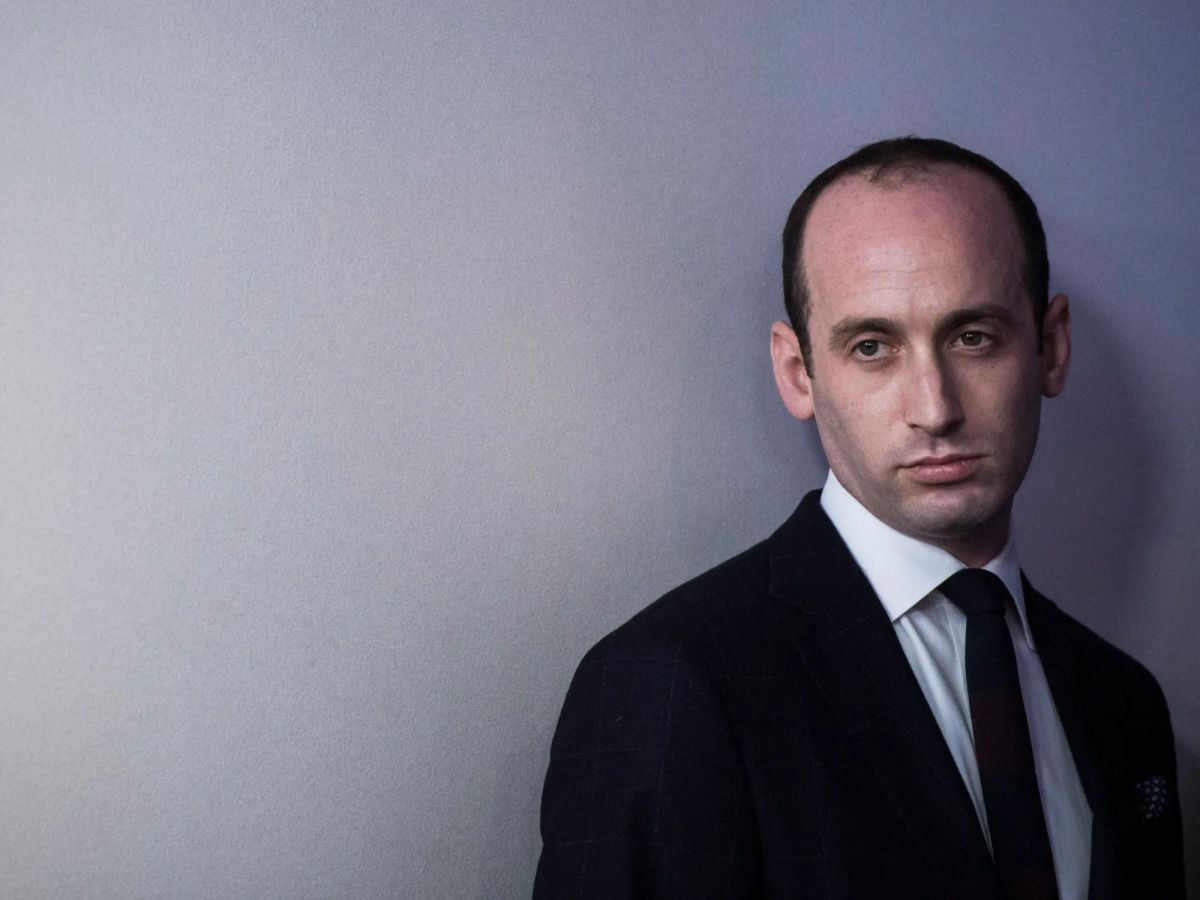
“Under Title 10 of the U.S. Code, the president has plenary authority.” That’s what Stephen Miller said — right before everything went silent. The host tried to recover. “Stephen? … Stephen?” But Miller just stared into the camera, motionless, as the audio dropped out. The feed hung there for several seconds, an uncomfortable stillness you could feel. Then CNN cut to commercial. When the clip reappeared online, the missing segment had been edited out entirely. The pause, the silence, the look — gone.
Maybe it really was a technical glitch. But the phrase Miller said before everything went dark wasn’t random. “Plenary authority under Title 10” is the quiet thesis of an entire movement to expand presidential power beyond the limits the founders intended. Title 10 governs the United States military: how it’s structured, who controls it, and most importantly, when it can be used on American soil. To claim the president has “plenary authority” under Title 10 is to claim the president has total, unchecked control over the military — not shared, not balanced, not constrained.
This traces back to the unitary executive theory — the idea that all executive power is concentrated in the president, and that every agency, officer, and authority within the executive branch is simply an extension of his will. In law schools, this theory is debated as an abstraction. But in practice, in the hands of people like Stephen Miller, it becomes a blueprint for a presidency that is not limited by the other branches of government.
What made the moment unsettling is that by tying this theory directly to Title 10, Miller was implying the president could use military force domestically without the usual restrictions. That crosses one of the most foundational boundaries in the American system — the line between civilian rule and military power. Once that line shifts, everything else shifts with it. Elections can be suspended during “emergency conditions.” Protests can be labeled “insurrection.” Oversight becomes “obstruction.” Opposition becomes “the enemy.”
Miller didn’t freeze because he lost his place. He froze because, for a brief second, he realized he had said the quiet part aloud. The strategy has always been to erode checks slowly — redefine oversight as sabotage, normalize expanded executive authority, and make extraordinary power seem ordinary. The silence after his statement was the sound of that strategy slipping into view.
Maybe it was coincidence. Maybe it was nothing. But for those few seconds before the feed cut, the mask fell away. And behind it was not a debate about policy. It was the outline of a presidency no longer constrained by law, but empowered by it.