THE OATH WAS NEVER TO A MAN


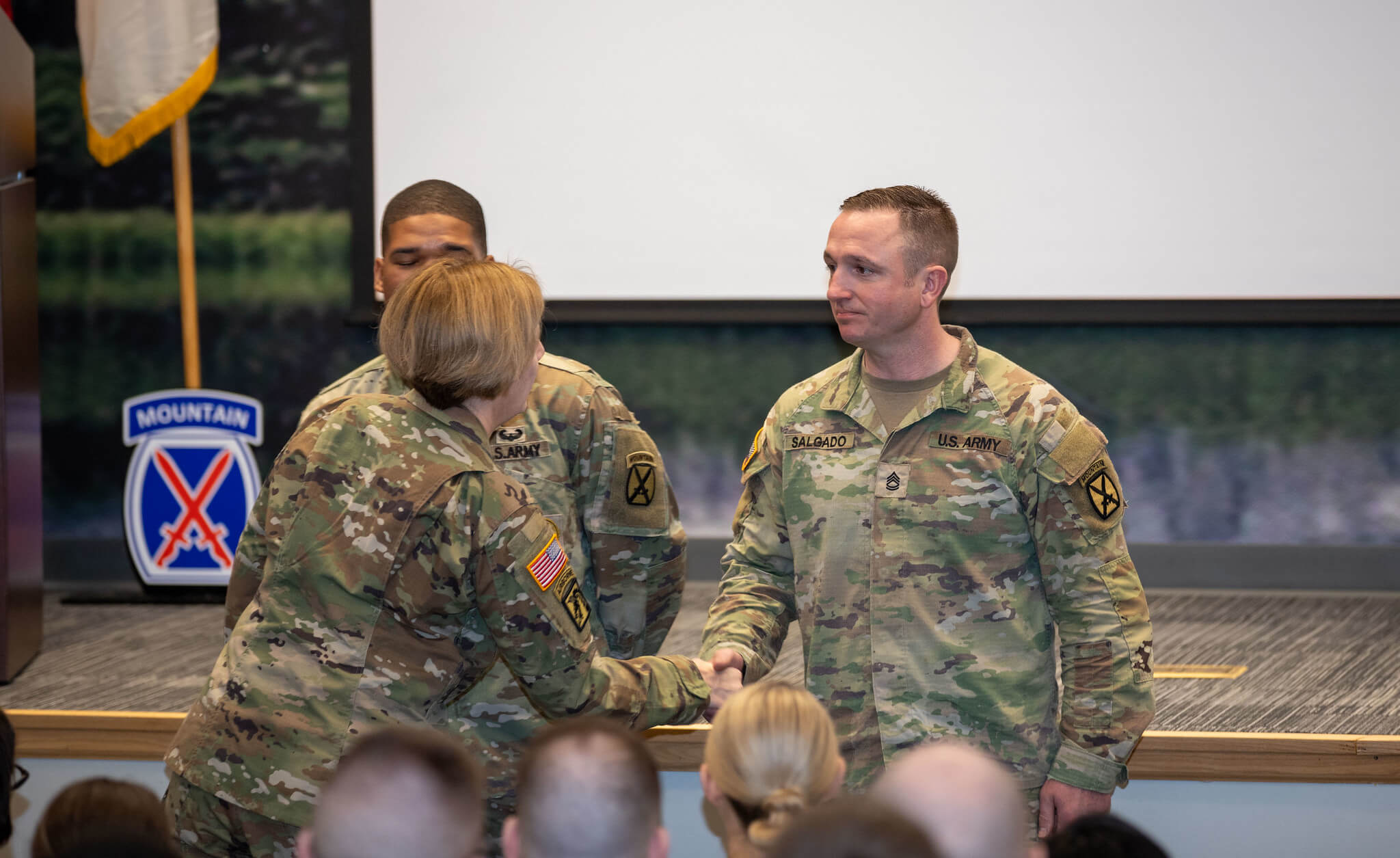
“I, [name], do solemnly swear that I will support and defend the Constitution of the United States against all enemies, foreign and domestic; that I will bear true faith and allegiance to the same…”
That oath — not to a ruler, not to a party, not to a president — is the foundation of the American military. It is the line that separates a republic from a regime. It is the promise that the power of the gun will always yield to the power of law. Service members do not swear loyalty to a man. They swear loyalty to an idea. The Constitution is the commander. Everything else is temporary.
And that is precisely why the current moment is so dangerous.
Months before the deployment of Marines and National Guard units into U.S. cities, the administration quietly removed the senior Judge Advocate Generals — Lieutenant General Joseph B. Berger III in the Army, Lieutenant General Charles L. Plummer in the Air Force, and others. These weren’t administrative rotations. They were the removal of the military’s legal conscience — the officers responsible for saying: “Sir, that order is unlawful.”
A functioning constitutional military needs friction. It needs the lawyer who says no. It needs the general who refuses. It needs the officer who remembers the oath.
Removing those guardrails is preparation. Preparation for orders that only work when no one in the chain asks questions.
Now those questions matter more than ever.
Because there is a line. A lawful order must serve a legitimate military purpose and must comply with the Constitution and the Uniform Code of Military Justice. An order to target civilians, suppress lawful protest, assist political retaliation, or enforce partisan control is not lawful. No service member is obligated to follow such an order. In fact, they are obligated to refuse it. “Just following orders” stopped being a defense in 1945.
Inside the Pentagon right now, there are quiet conversations happening behind closed doors. Generals, commanders, and senior NCOs are weighing the same unbearable questions faced at other breaking points in history: When does duty to command yield to duty to the Republic? When does obedience become betrayal?
They know the examples. Kent State. The Bonus Army. The Pullman Strike. Every time force was turned inward. Every time soldiers were asked to treat their own people as the enemy. Each one left a scar that never healed.
The purge of the JAG Corps was not about efficiency. It was about removing the people who would say no. Removing the brakes. Removing the law from the gun.
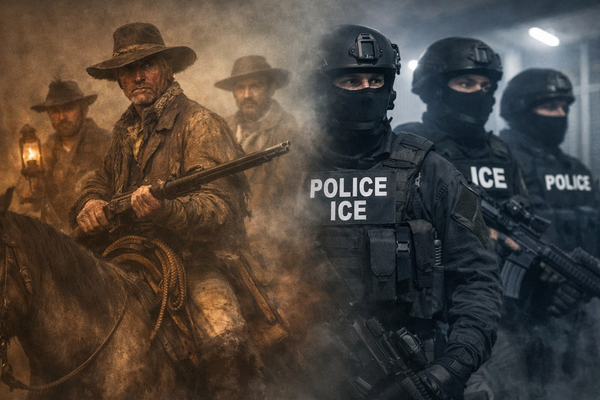
Stephen Miller and others inside this administration understand exactly what they are doing: deploy troops, inflame conflict, then use the violence as justification for emergency authority. It is a playbook, and it is old.
But here is the part they cannot script.
There are still men and women in uniform who remember their oath. Who understand that loyalty to the Constitution is loyalty to the country itself. Who know that courage is not obedience — courage is restraint. Courage is saying no when power demands yes.
The question is not whether the Constitution is being tested.
The question is who will remember that the oath is to defend it — especially when the threat comes from within.
Because in moments like this, obedience is not virtue.
Duty is.
 Scott R. Anderson