The Ordinary Face of Evil

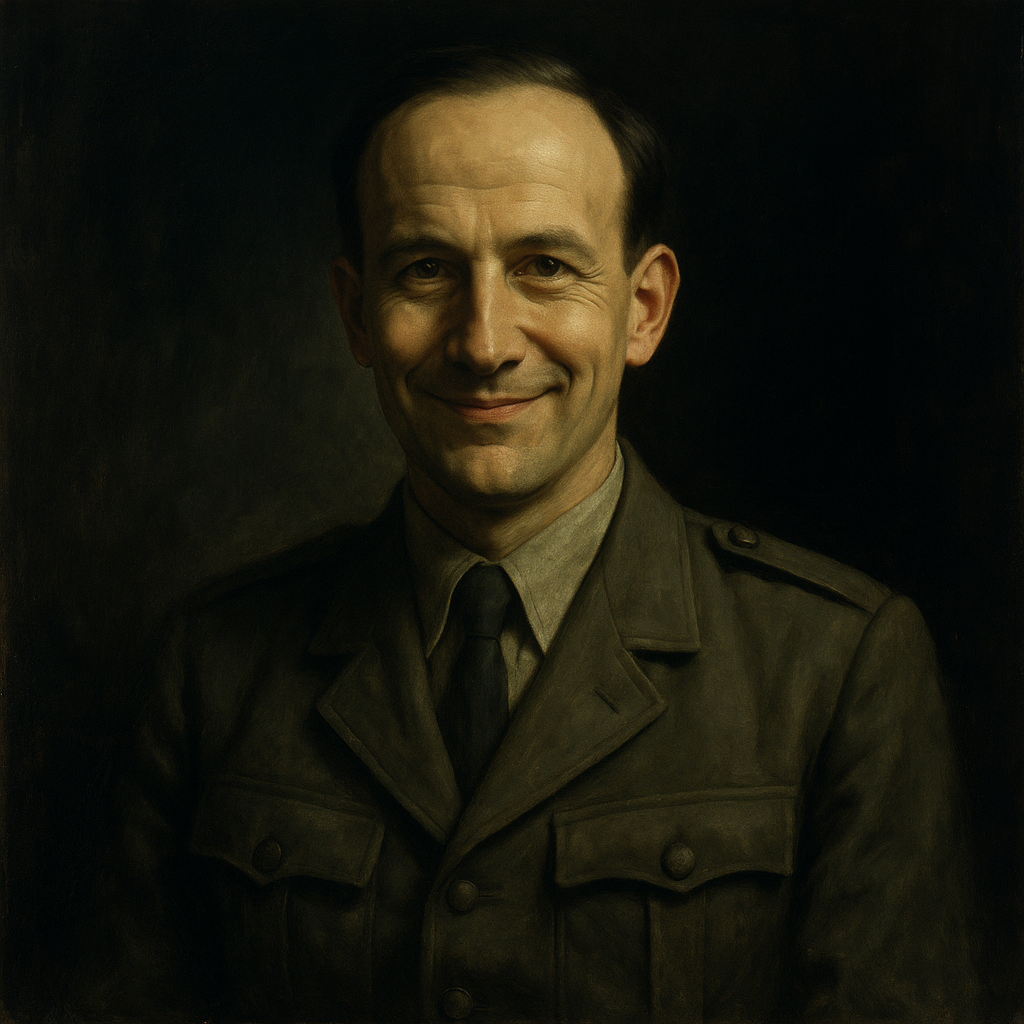
When most people hear the word evil, they imagine villains—figures defined by malice, cruelty, or hatred. We picture tyrants, serial killers, or ideological fanatics who revel in causing harm. But the history of human violence tells a different story. Evil rarely presents itself as wickedness. It rarely sees itself as destructive. Instead, it cloaks itself in the language of duty, morality, law, and necessity. It wears uniforms, carries flags, signs orders, and repeats slogans about safety and order. Evil does not declare, “I am evil.” It declares, “I am protecting something important.”
To talk about evil seriously, we must remove superstition and emotion and define it clearly. Evil is the intentional infliction of unnecessary suffering or the deliberate violation of human dignity for personal or ideological gain. With that definition, we can evaluate human actions not by how they feel to the perpetrator but by what they do to the victim. Was the harm intended? Could it have been avoided? Were people treated as human beings or as obstacles? Were the victims those with little or no power to resist? And did the people responsible know the consequences of their actions? When those questions are answered honestly, the shape of evil becomes easier to recognize.
This clarity is essential because the most destructive evil in history has rarely come from sadists. It has come from ordinary people following orders, protecting institutions, fulfilling assignments, or defending what they believe to be virtues. Hannah Arendt famously described this as the “banality of evil”: the idea that atrocities are not usually carried out by monsters, but by functionaries. The killing centers of Nazi Germany were operated by clerks, doctors, engineers, police officers, and administrators who believed they were doing their job. They spoke not of hatred but of hygiene, security, efficiency, and national renewal. They believed they were acting for the greater good. The horror lies not simply in what they did, but in how normal it felt to them while they did it.
The subjective feeling of righteousness does not erase the objective reality of harm. The Nazi regime meets every criterion of evil. It inflicted catastrophic violence deliberately. It targeted those without power to resist. It destroyed autonomy and dignity. And it did so knowingly. Yet the people inside the system believed they were restoring order, strengthening society, and protecting their nation. Their sense of moral purpose did not make their actions less evil—it made them more effective.
This same psychological pattern appears in our time—not in the same scale, but in the same logic. Consider the modern treatment of immigrants and asylum seekers. Policies such as family separation, mass detention, and expedited deportation are defended in moral terms: protecting the border, upholding the law, defending jobs, preserving sovereignty. The rhetoric mirrors that of past injustices: the claim that cruelty is regrettable but necessary. Yet when we examine these policies objectively, the harm is intentional, avoidable, and directed at those least able to defend themselves. The suffering is not incidental—it is instrumental.
Children sleeping on concrete floors under fluorescent lights are not being protected. They are being used. Their families are reduced to categories: “illegals,” “invaders,” “threats.” Once a group is reduced to a label, empathy can be suspended. And once empathy is suspended, harm becomes routine. That is the threshold where evil begins—not with hatred, but with indifference justified as obligation.
Evil does not require monsters. It requires systems that reward obedience more than conscience, nationalism more than humanity, and fear more than understanding. It requires ordinary people who no longer ask, “Is this right?” but only, “Is this allowed?” or “Is this normal?”
If we want to prevent evil, we must resist the temptation to judge actions by intention alone. It is not enough for people to believe they are doing good. We must measure whether their actions preserve human dignity, reduce suffering, and respect the autonomy of others. That is the line. That has always been the line.
Evil is not mysterious. It is procedural. It becomes ordinary the moment we stop questioning it. To guard against it, we must cultivate the courage to see clearly and the conscience to say no—even when harm is done in the name of something sacred.