The Plan to End Democracy Is Being Said Out Loud

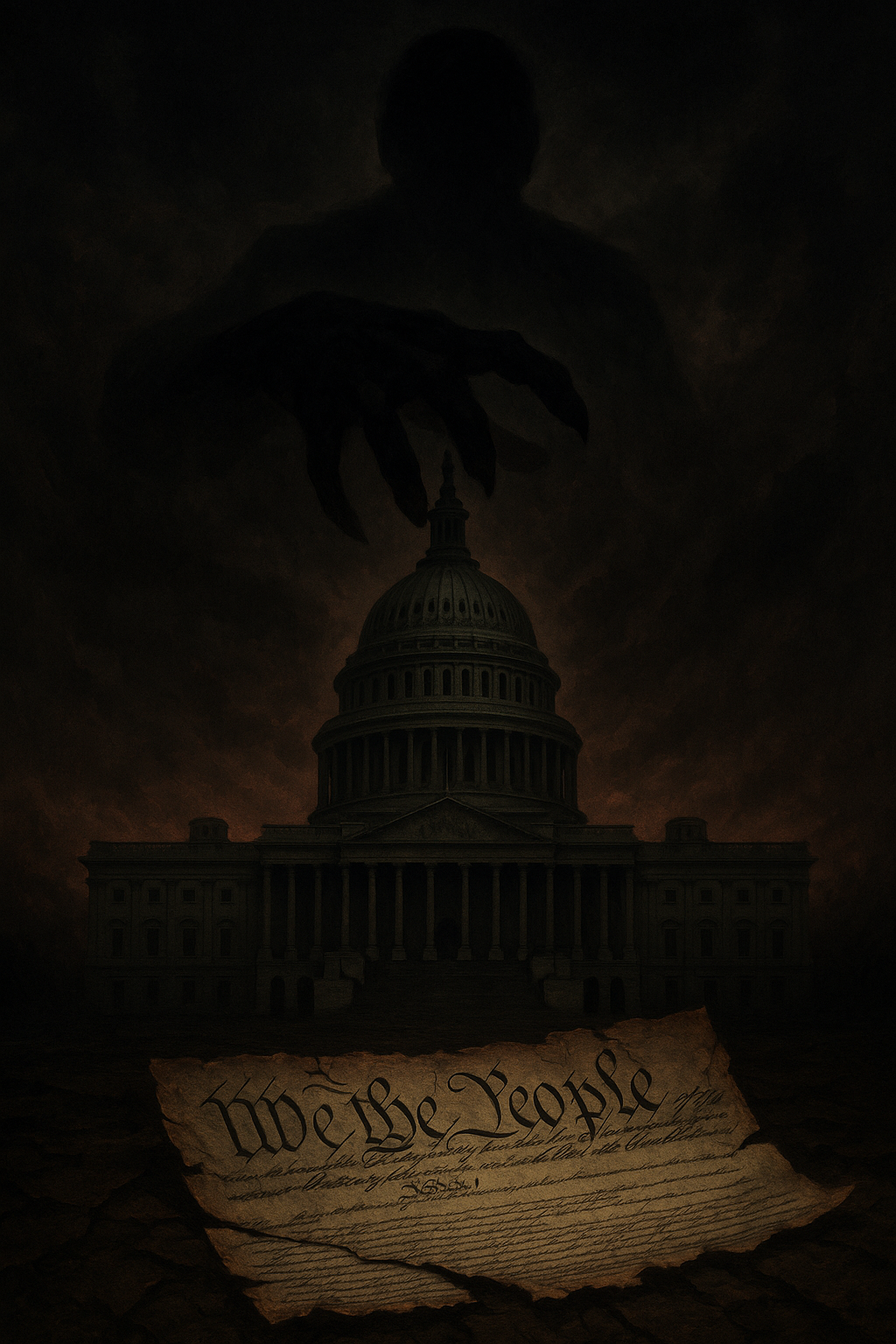
Steve Bannon is not speculating, theorizing, or trying to provoke. He is describing a project already underway. He is telling us, in his own words, that the goal is to end shared power in the United States and replace democratic governance with permanent dominance by a single political faction. He is not shy about the means. He is not careful with his language. He is speaking plainly because he believes no one will stop him. And so far, no one has.
When Bannon says, “We are in a political war,” he is rewriting the rules of civic life. In a democracy, disagreement is a feature, not a threat. Elections are a negotiation between competing visions for the country. That requires accepting that the other side exists and has the right to exist. Bannon rejects that entirely. War does not allow coexistence. War does not tolerate pluralism. War does not recognize legitimacy outside the victor. When politics becomes war, citizenship divides into loyalists and enemies, and law becomes a tool of punishment rather than protection.
Then he states the objective: “The end point is we are in charge. We control the institutions. We control the political process.”
Control, not representation. Control, not service. Control, not consent. This is not democratic language. It is the language of factions that believe power must be held, not earned, and held indefinitely.
That is where the next line matters: “We seize the institutions and purge them.”
He means it literally.
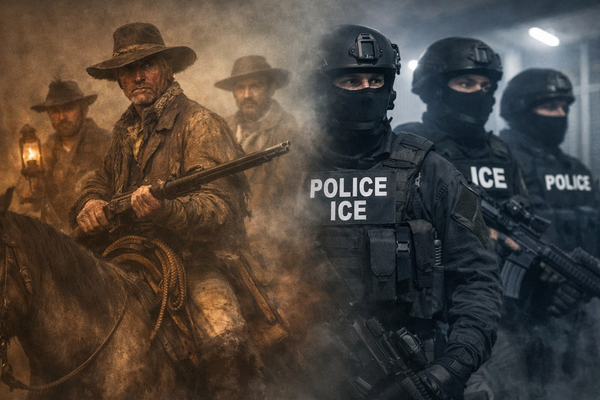
You purge the civil service by firing or forcing out anyone who places loyalty to the Constitution above loyalty to the movement.
You purge the military by replacing officers who honor their oath with those willing to obey political directives.
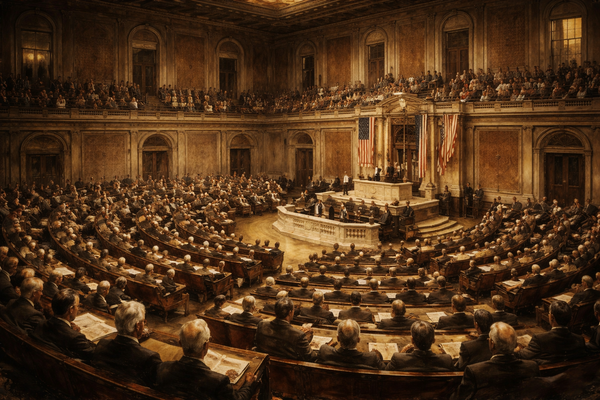
You purge the judiciary by stripping it of independence and filling it with partisans.
You purge the media by intimidation, control, or replacement.
Once “the purge” is complete, there is no neutral referee left — only the movement and its command structure.
Bannon is also clear that compromise has no place in this vision: “We’re never going to apologize. We’re never going to say we’re sorry. All we care about is victory after victory.”
This is the eradication of the shared civic space that makes democracy possible. If the only acceptable goal is victory, then the majority of Americans — those who do not share this ideology — are no longer considered part of the nation. They are obstacles to be defeated, not fellow citizens to govern alongside.
And then comes the theological justification. Bannon calls Trump “a vehicle of divine providence.” When a leader becomes sacred, law becomes optional. Limitations become insults to destiny. Violence becomes righteous. This is how personal rule replaces constitutional rule — not by force alone, but by faith weaponized into authority.
This is why the claim about Trump returning in 2028 matters. It is not about a legal loophole. It is about declaring that any constitutional limit that obstructs the movement is illegitimate. Bannon says the 22nd Amendment is not binding because the founders did not include term limits. This deliberately ignores what the founders were trying to prevent. The framers of the Constitution were terrified of concentrated power. They had just fought a revolution against a monarch. They wrote checks and balances to avoid exactly the kind of leader Bannon is now trying to enthrone.
George Washington stepping down after two terms was not symbolism. It was the foundational act that separated the new republic from the authoritarian systems that dominated the world. It was the moment the Constitution became real. It was an act of restraint to prevent the office from becoming a throne.
Bannon wants to undo that.
He invokes the framers while dismantling their intent. He speaks the language of patriotism while selling its opposite. He is not trying to restore America. He is trying to reverse the American project: from a nation struggling toward broader liberty to a nation returned to concentrated minority rule.
This is not hidden.
It is not coded.
It is not subtle.
The danger is that we still treat it as rhetoric.
We are used to thinking that threats to democracy come suddenly, with tanks or decrees. Most do not. Most come exactly like this: through public speeches, through ideological certainty, through the steady erosion of norms while half the country tells itself it cannot really be happening.
The question is no longer whether the threat is real.
The question is whether we are willing to recognize it before it becomes irreversible.