The Polite Word for Ethnic Cleansing

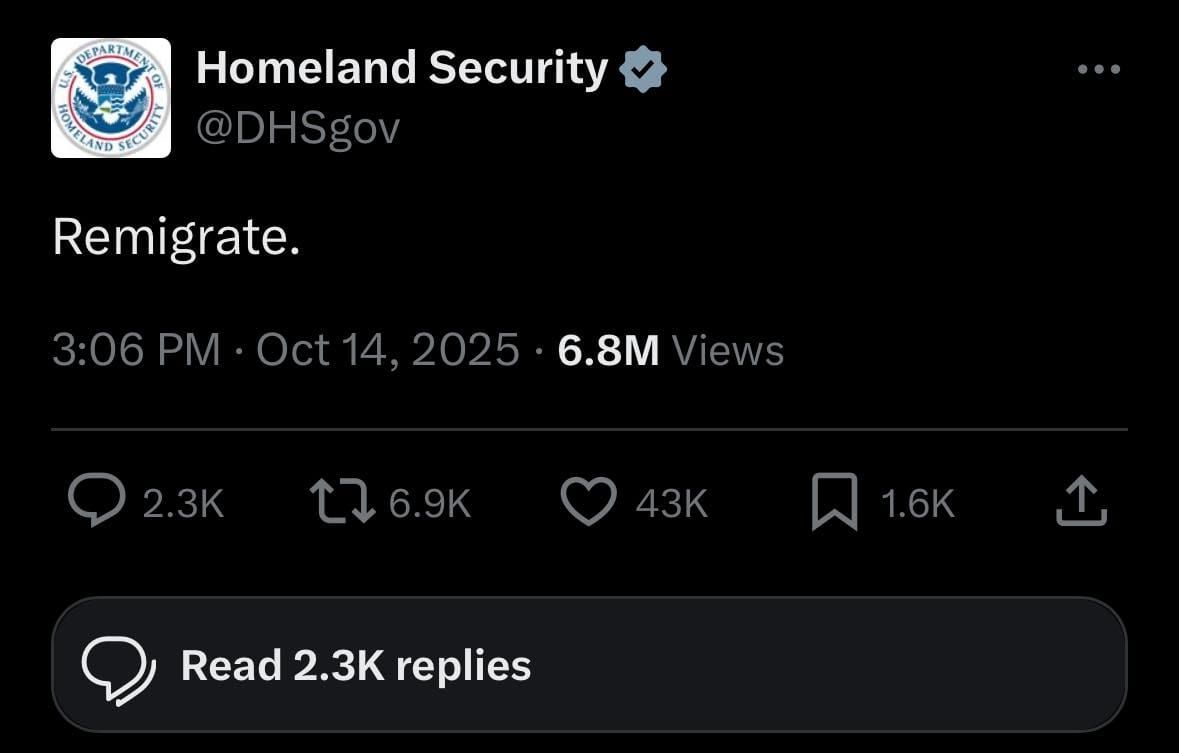
Language tells you everything. Words are not passive — they are tools, signals, and sometimes weapons. “Remigration” once referred simply to people returning home after travel, war, or labor abroad. It suggested reunion, restoration, and stability. But language never stays neutral when power has an interest in reshaping it. In the last decade, the far right has hollowed out this word and rebuilt it into something cold and calculated. As the German philosopher Theodor Adorno warned, “Words can be like tiny doses of arsenic: they are swallowed unnoticed, appear to have no effect, but after a little time the toxic reaction sets in.” The toxicity of “remigration” arrives disguised — bureaucratic, bland, and bloodless — until you understand what it now means.
The modern usage of “remigration” did not emerge by accident; it was crafted. Far-right groups like Génération Identitaire in France used the phrase as a rallying cry. Their banners read: “Remigration is the answer.” Their leaders insisted it was about restoring “cultural cohesion,” but the writings behind their campaigns made the real meaning clear. One Identitarian ideologue wrote, “A nation is not a territory — it is its people. To survive, the people must remain themselves.” The implication is unmistakable: survival means exclusion. In Germany, members of the AfD were recorded saying they supported “the large-scale remigration of people who do not belong here” — not just migrants, but German-born citizens with immigrant ancestry. It was a call to erase entire lineages from national identity.
The word was made to sound reasonable. It was designed to be spoken in parliaments and news interviews without triggering alarm. Éric Zemmour, in France, tried to institutionalize it: “We must create a Ministry of Remigration,” he declared, framing the forced removal of millions as mere administrative policy. This is how white supremacy updates itself. As Hannah Arendt wrote, authoritarian movements always “prepare crimes by first preparing language.” Once the language changes, the moral imagination shifts with it. What would once have been recognized as atrocity becomes something that sounds like paperwork.
This is why “remigration” functions as a racial dog whistle. To the unaware ear, it sounds like any other migration term — relocation, transfer, return. But to those who understand its coded meaning, it signals allegiance to a worldview rooted in the “Great Replacement” conspiracy — the claim that white populations are being “replaced” by immigrants and must therefore defend themselves through expulsion. White nationalist forums have said this outright: “We don’t say deportation anymore. We say remigration. It keeps the normies calm.” The entire purpose is concealment. It is violence dressed as policy.
History shows how dangerous this linguistic laundering is. In the 1930s, Nazi officials rarely used the phrase “ethnic cleansing.” They preferred terms like “resettlement,” “population transfer,” and “restoration.” The act of atrocity was always hidden behind the language of order. As Primo Levi said, “Before they take away your freedom, they take away your words.” The shift in vocabulary is the first step toward the shift in morality.
Once words like “remigration” become normalized in official speech, the floor moves. What was once unthinkable becomes something that can be debated. The public stops flinching. Policy begins to follow rhetoric. The line between displacement and disappearance thins.
So when we hear this word, we must hear it accurately. It does not mean return. It means removal. It does not mean home. It means exclusion. It does not describe movement. It describes erasure.
“Remigration” is not about going back somewhere. It is about declaring that some people never belonged at all.