The Politics of Cruelty: Why Trump Supporters Take Pleasure in the Pain of Others
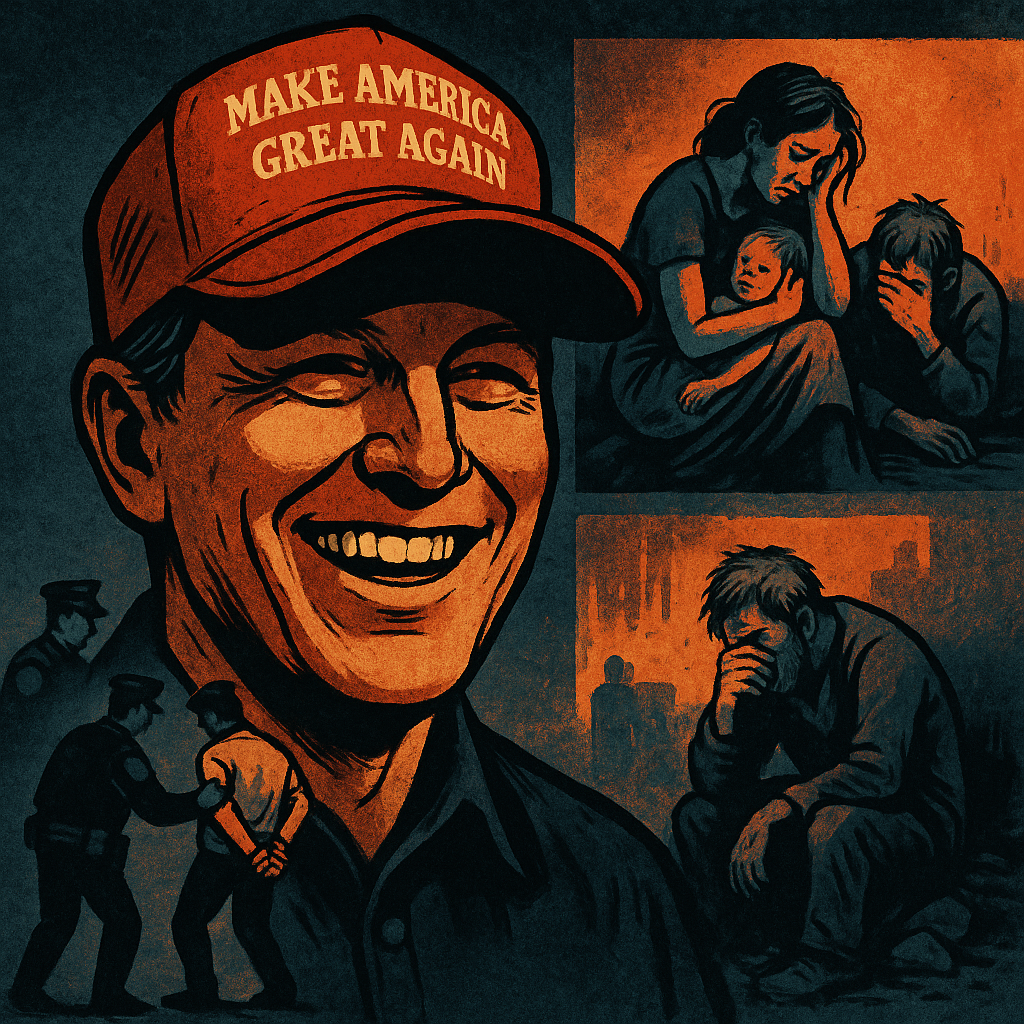
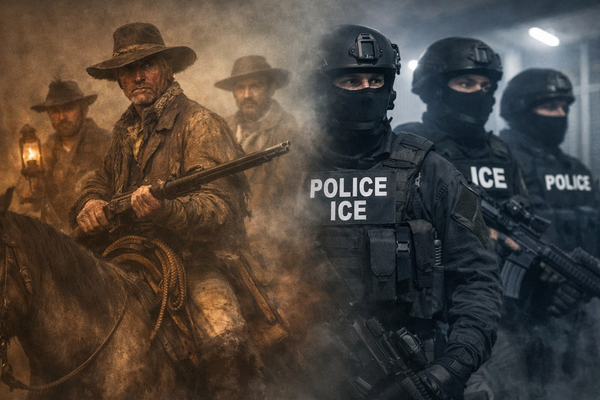
In every era of political upheaval, cruelty becomes more than a byproduct — it becomes a language. The rise of Trumpism in the United States has not only normalized cruelty but celebrated it. Supporters of Donald Trump often appear to revel in the suffering of those they see as opponents — immigrants, journalists, liberals, and even the poor. To understand why this happens, it’s not enough to look at political disagreements; we have to explore the psychology of authoritarianism, the power of identity, and the cultural conditions that make cruelty feel righteous.
Psychologists from Theodor Adorno to Bob Altemeyer have documented what they call the authoritarian personality — a mindset drawn to hierarchy, obedience, and social conformity. When people with these traits feel the world is spinning out of control, they seek a leader who promises to restore order, often through strength and punishment. Trump speaks directly to this craving. His language — calling opponents “vermin,” immigrants “invaders,” and political rivals “traitors” — frames cruelty as a necessary act of protection. What looks like hatred from the outside feels like discipline to those inside the movement.
Cruelty becomes easier when empathy is switched off. Psychologists call this moral disengagement — the process by which people stop viewing others as fully human. When Trump mocks the disabled, ridicules prisoners of war, or calls entire nations “shitholes,” he’s not just being provocative; he’s modeling dehumanization. Once the other side is stripped of humanity, it becomes easier to justify family separations at the border, mass deportations, or political violence. In that way, cruelty becomes both entertainment and moral performance — a ritual that reassures supporters they are on the right side of history.
Beneath the bluster lies insecurity. Many Trump supporters experience what psychologists term collective narcissism — an inflated belief in their group’s greatness paired with deep resentment that it’s not properly recognized. They see themselves as the “real Americans” — hardworking, god-fearing, and under siege by elites, immigrants, or urban liberals. When Trump attacks these supposed enemies, it’s not merely political rhetoric; it’s validation. His cruelty mirrors their wounds and reframes humiliation as pride. Hurting others becomes proof of belonging.
In the Trump ecosystem, cruelty is not a bug; it’s the feature that binds the tribe. From online memes mocking marginalized people to chants of “Lock her up” at rallies, humiliation becomes a shared experience — a form of emotional glue. As historian Timothy Snyder notes, authoritarian movements thrive on performative cruelty because it creates solidarity through contempt. To laugh at someone else’s pain together is to reaffirm who “we” are and who “they” are not.
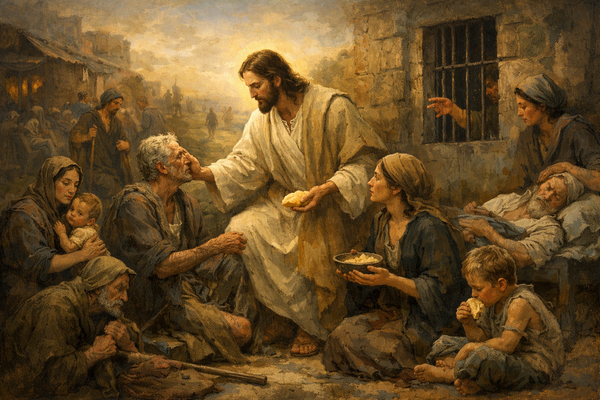
Fear narrows empathy. Trump’s rhetoric constantly activates fear — fear of immigrants, of crime, of socialism, of the loss of white Christian dominance. When people are afraid, they cling to strongmen who promise to protect them. Cruelty toward the perceived source of that fear feels not only justified but necessary. This is the oldest trick in the authoritarian playbook: convince followers that kindness is weakness and that compassion will destroy them.
Cruelty thrives in a culture that confuses aggression with strength. American political life, especially on the right, has long glorified toughness and scorned empathy. Trump simply weaponized this tradition, turning meanness into a badge of authenticity. His rallies feel like pro-wrestling events — politics as spectacle, with pain as proof of power. His followers see themselves reflected in that bravado: unpolished, unapologetic, unmerciful.
The most disturbing part of Trumpism is not that cruelty happens, but that it feels moral to those enacting it. They believe they are saving the country, protecting their families, defending civilization itself. Every act of callousness — every insult, deportation, or assault on the vulnerable — becomes reimagined as virtue. That is how democracies decay: not through sudden collapse, but through moral inversion, when cruelty becomes synonymous with patriotism and empathy is dismissed as treason.
Trump didn’t invent cruelty; he licensed it. He told his supporters that compassion was for losers and that their pain entitled them to inflict pain on others. In that sense, Trumpism is not simply a political movement but a psychological mirror reflecting America’s deepest insecurities. Understanding that mirror — and refusing to mistake cruelty for strength — may be the first step toward breaking its spell.